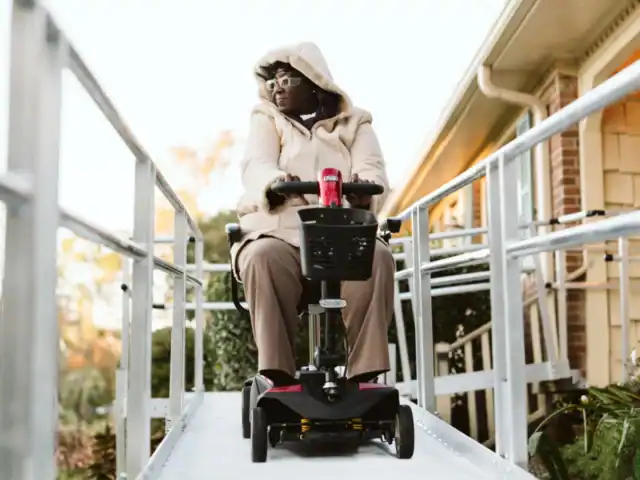
Though winter brings the beauty of stillness and coziness, if you rely on stairlifts and ramps for mobility, the chilly season also presents a unique set of challenges. When temperatures drop, your essential equipment faces increased risks from moisture, freezing, and mechanical wear.
At Harmar, we know your mobility equipment must be safe, reliable, and ready to use, regardless of the weather. Neglecting winter preparation can lead to costly repairs, inconvenient breakdowns, and, most importantly, safety issues like potential slips and falls. This winter, don’t sacrifice your independence and peace of mind. Read on to learn how to protect your equipment from the elements, ensure smooth operation, and keep your home accessible all season long. Follow these steps to keep your stairlift and ramps safe, reliable, and ready to tackle the winter.
Why Winter Maintenance is Crucial for Accessibility Equipment
Winter maintenance is an absolute necessity for any outdoor accessibility equipment. The primary concern is safety as snow and ice accumulation on ramps create extreme hazards, and frozen pathways severely restrict safe use. Even a thin layer of frost can result in the worst case scenario: a fall.
Beyond safety, harsh cold also increases mechanical risks. Freezing temperatures drain and reduce the efficiency of stairlift batteries, which puts stress on motors and reduces operational reliability. Cold weather can also stiffen the essential lubricants that keep the moving parts of your equipment running smoothly, leading to excessive wear and potential breakdown. Investing a small amount of time in preventative care enables you to avoid the headache and expense of emergency repairs. This proactive approach makes sure your equipment remains dependable when you need it most.
Winter Stairlift Maintenance Tips
1. Keep Tracks Clean and Dry
When it comes to outdoor stairlift maintenance, the track should be kept clear of snow, debris, and moisture. After clearing the track, ensure it is dry to prevent any residual water from freezing, which can interfere with the chair’s movement and damage internal systems. A clean track allows for a smoother, more reliable ride and prevents wear on the wheels.
2. Protect Electrical Components
Regularly inspect the motor unit and control boxes for any signs of moisture seepage. Check that all weatherproof covers and gaskets are firmly seated and intact. Protecting the electrical systems from dampness and ice is critical to preventing short circuits, corrosion, and sudden mechanical failures.
3. Regularly Test and Inspect
Make it a habit to run the stairlift at least once daily to keep the battery charged and operational. Listen carefully for any unusual sounds (think grinding, clicking, etc.) that could indicate a component failure. Frequent testing helps identify small issues early and prevents battery deep discharge in cold weather.
4. Schedule a Professional Inspection
Before the peak winter season hits, schedule an annual pre-winter servicing. A technician will check the battery health, apply specialized cold-weather lubricants, and perform motor diagnostics. This professional inspection is really important for safety calibration.
Ramp Winter Maintenance Tips
1. Clear Snow and Ice Promptly
If possible, immediately clear snow and ice. Use a soft-bristle broom or plastic shovel to avoid scratching ramp surfaces. Try to avoid using harsh rock salt or calcium chloride because these chemicals can corrode metal and damage concrete or composite materials over time. Opt for magnesium chloride or specialized, ramp-safe de-icing pellets instead.
2. Use Non-Slip Mats or Coatings
For metal or concrete ramps, apply specialized non-slip coatings designed for cold, wet conditions. Or, lay down heavy-duty, weather-resistant rubber mats securely fastened to the ramp surface.
3. Inspect Handrails and Fastenings
The cycle of freezing and thawing causes materials to expand and contract, which can loosen critical bolts, screws, and fittings. Regularly check all handrail connections and ramp supports. Tighten any fasteners you find loose to ensure the ramp and its support structure remain stable and secure throughout the harsh winter months.
4. Apply Weather-Resistant Treatments
Protect your ramp from moisture and corrosion by applying the correct weather-resistant sealants or coatings. For wooden ramps, re-apply a waterproof stain or sealant. For metal ramps, check for and touch up any paint chips or exposed areas with a rust-inhibiting coating to prevent corrosion from winter dampness.
Winter Safety Best Practices for Users and Caregivers
Beyond maintaining the equipment itself, adopting safe practices is key to navigating winter confidently. The most important user safety tip involves proper footwear. Always wear boots or shoes with deep treads and non-slip soles when using an outdoor ramp or approaching a stairlift, especially if there’s a risk of ice. Avoid smooth-soled shoes with no traction.
Caregivers should also check that users know where to find and how to use essential resources. Always keep your emergency contact information and stairlift service numbers readily accessible (a visible magnet or laminated card near the equipment is perfect) in case there’s a power outage or a mechanical issue caused by severe weather and you need immediate access to professional help.
While your stairlift and ramps are highly reliable, preparing backup mobility options is never a bad idea. Have a plan for temporary access, which might involve a spare walker, a well-maintained wheelchair, or a specific, pre-cleared indoor pathway that allows you to move safely within your home, even if the primary equipment is briefly out of service.
When to Call a Professional
Sometimes expert help is necessary. Watch and listen for critical warning signs that indicate a problem beyond simple maintenance. Any flickering lights, frequent circuit trips, or persistent electrical issues are immediate red flags requiring professional attention, particularly in damp conditions.
To avoid being caught off-guard by a mid-winter breakdown, we strongly recommend investing in a pre-winter inspection and maintenance plan. A certified technician will perform deep cleaning, check the battery health, inspect all critical safety sensors, and ensure proper lubrication with cold-weather-appropriate compounds. This thorough, preventive service catches small issues before the cold can turn them into major, costly failures, guaranteeing your equipment is completely prepared for the winter season.
How Harmar Supports Safe Mobility Year-Round
When it comes to ramp and stairlift safety in winter, you’re not alone. Our expert consultants are ready to help you stay prepared for anything this chilly season throws at you. Explore our service network and accessibility safety resources to stay educated and proactive when it comes to your mobility equipment.
To schedule your free consultation, contact our team today.