Stress Awareness Month: How to Reduce Stress and Its Adverse Effects
June 3, 2026
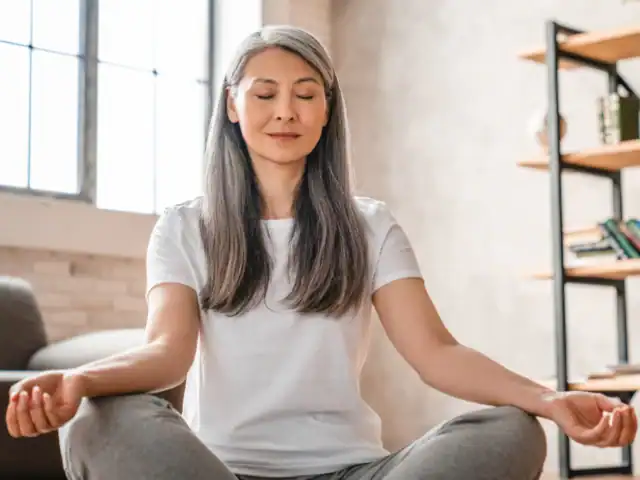
Stress is something nearly everyone experiences, but chronic stress can quietly affect far more than mood alone. It can influence sleep, mobility, balance, heart health, energy levels, and overall quality of life. During Stress Awareness Month, it’s important to recognize not only the emotional impact of stress, but also the physical strain it places on the body over time.
For older adults, caregivers, and families supporting loved ones at home, stress can become especially overwhelming when mobility challenges, caregiving responsibilities, or unsafe home environments are added to the equation.
The good news? Small, consistent changes can make a meaningful difference. Learning how to reduce stress doesn’t require a complete life overhaul. Often, the most effective stress prevention strategies begin with creating safer routines, improving comfort at home, and reducing everyday friction.
What Is Stress Awareness Month?
Stress Awareness Month is observed every April to encourage education around stress, its health effects, and practical coping strategies. The goal is to help people recognize the signs of chronic stress before it begins affecting long-term health and well-being.
While occasional stress is a normal part of life, ongoing stress can gradually impact both physical and emotional health. Stress Awareness Month serves as a reminder to slow down, evaluate daily habits, and build healthier routines that support long-term wellness.
For many people, this also means looking at their home environment. Cluttered spaces, mobility obstacles, poor lighting, and physically demanding daily tasks can all contribute to unnecessary stress and anxiety — especially for older adults aging in place or caregivers assisting loved ones every day.
Instead of waiting for stress to become unmanageable, this month encourages proactive, sustainable changes that support comfort, safety, and peace of mind.
The Adverse Effects of Stress on the Body
The effects of stress on the body are often more serious than people realize. When stress becomes chronic, the body stays in a heightened state of alertness for extended periods of time. Over time, this can impact nearly every system in the body.
Some of the most common adverse effects of stress include:
- Increased blood pressure
- Elevated heart rate
- Poor sleep quality
- Muscle tension and chronic pain
- Digestive issues
- Headaches and migraines
- Weakened immune function
- Fatigue and low energy
- Difficulty concentrating
For older adults, stress can also affect physical stability and coordination. Chronic stress may increase muscle tension, reduce reaction time, and contribute to fatigue — all of which can raise fall risk.
Stress can also worsen existing mobility or health conditions. Someone already managing arthritis, balance concerns, chronic pain, or fatigue may notice symptoms intensify during periods of prolonged stress.
Even simple daily activities can begin to feel exhausting when stress levels remain high.
The Mental and Emotional Impact of Chronic Stress
Stress doesn’t only affect the body. It can significantly impact emotional and mental well-being as well.
Many people experiencing chronic stress report symptoms such as:
- Anxiety or excessive worry
- Irritability
- Emotional exhaustion
- Feeling overwhelmed
- Difficulty focusing
- Forgetfulness
- Low motivation
- Mood changes
Caregivers are particularly vulnerable to emotional fatigue. Balancing caregiving responsibilities with work, finances, family obligations, and personal health can create an ongoing cycle of stress that feels difficult to escape.
Over time, unmanaged stress can contribute to caregiver burnout, which may include feelings of isolation, resentment, exhaustion, or emotional numbness.
It’s important to recognize when stress may require additional support. Warning signs can include:
- Persistent sadness or anxiety
- Trouble functioning day-to-day
- Frequent emotional outbursts
- Withdrawal from social activities
- Ongoing sleep disturbances
- Loss of interest in hobbies or routines
Seeking help from healthcare professionals, counselors, or support groups is not a sign of weakness. In many cases, early support can prevent stress from escalating into more serious health concerns.
How to Reduce Stress at Home
Reducing stress at home often starts with simplifying routines and creating a more calming environment. Small adjustments can help reduce mental overload and make daily life feel more manageable.
Establish Consistent Routines
Predictable routines can reduce decision fatigue and create a greater sense of control. Try to maintain consistent times for:
- Waking up
- Meals
- Medications
- Exercise
- Relaxation
- Sleep
Routines are especially helpful for older adults and caregivers managing busy schedules or multiple responsibilities.
Improve Sleep Hygiene
Sleep and stress are closely connected. Poor sleep can increase stress levels, while stress often disrupts sleep quality.
Simple ways to improve sleep include:
- Limiting screen time before bed
- Keeping bedrooms cool and dark
- Reducing caffeine late in the day
- Following a consistent bedtime routine
- Avoiding overstimulation before sleep
Reduce Visual Clutter
Clutter can contribute to feelings of stress and overwhelm. Clearing walkways, organizing commonly used items, and simplifying crowded spaces can help create a calmer environment while also improving safety.
Create Calm Spaces
Even a small quiet corner can help support emotional regulation. Comfortable lighting, soft seating, calming music, or access to natural light can create a more relaxing atmosphere at home.
Try a Simple Stress-Reset Routine
A quick daily reset can help interrupt stress cycles before they build throughout the day.
- Example morning reset:
- Stretch for 5 minutes
- Drink water before caffeine
- Take several slow, deep breaths
- Spend 10 minutes away from screens
- Identify one realistic goal for the day
Evening reset:
- Dim lights an hour before bed
- Write down tomorrow’s priorities
- Practice light stretching or breathing exercises
- Avoid stressful news or social media
- Read or listen to calming music before sleep
The Role of Physical Activity in Stress Reduction
Movement is one of the most effective natural stress management tools available.
Physical activity helps lower stress hormones while increasing endorphins that support mood and emotional well-being.
The good news is that exercise doesn’t have to be intense to be beneficial. Light movement can still make a meaningful difference.
Safe stress-reducing activities may include:
- Walking
- Gentle stretching
- Chair exercises
- Yoga or tai chi
- Gardening
- Light household tasks
- Physical therapy exercises
For older adults or individuals with mobility limitations, safe movement within the home is especially important. Fear of falling or difficulty navigating stairs can increase anxiety and discourage activity altogether.
Accessibility improvements such as stairlifts, handrails, ramps, or home elevators can help people move more confidently and comfortably throughout the home, reducing both physical strain and emotional stress.
Reducing Caregiver Stress
Caregiving can be rewarding, but it can also be physically and emotionally exhausting.
Many caregivers experience:
- Sleep disruption
- Chronic fatigue
- Anxiety
- Back or joint pain
- Emotional burnout
- Financial stress
- Social isolation
One of the most important stress prevention strategies for caregivers is recognizing that they cannot do everything alone.
Set Realistic Boundaries
Caregivers often feel pressure to constantly be available. Setting boundaries around time, responsibilities, and personal needs is essential for long-term well-being.
Accept Support
Help can come from:
- Family members
- Friends
- Community organizations
- Respite care providers
- Healthcare professionals
- Support groups
Even occasional assistance can significantly reduce stress levels.
Reduce Physical Strain at Home
Accessibility improvements can also lessen daily caregiving demands. Features such as stairlifts or home elevators may reduce the physical effort required to assist loved ones between floors, helping both caregivers and family members feel safer and more independent.
Related reading:
- A Caregiver’s Guide to Safe Mobility in the Home
- Best Use Cases for Stairlifts
- How Home Elevators Improve Accessibility and Independence
Creating a Low-Stress Home Environment
A calm, safe home environment can help reduce anxiety and improve confidence for everyone in the household.
Simple home improvements can support both emotional well-being and physical safety.
Improve Lighting
Poor lighting can increase stress and fall risk. Ensure hallways, staircases, bathrooms, and entrances are well-lit.
Keep Walkways Clear
Removing clutter, cords, loose rugs, and unnecessary furniture can make navigation easier and safer.
Prioritize Safe Stair Access
Stairs are one of the most stressful areas of the home for individuals with mobility concerns. Fear of falling can create daily anxiety and limit independence.
Planning ahead with accessibility solutions can help reduce future stress while supporting aging in place.
Related reading:
Focus on Predictability
Organized spaces and familiar routines can create a stronger sense of stability, particularly for older adults managing health changes or cognitive concerns.
When Stress Becomes a Health Risk
Occasional stress is normal. However, chronic stress should never be ignored.
Signs that stress may be affecting health include:
- Persistent headaches
- Ongoing fatigue
- Chest discomfort
- Frequent illness
- High blood pressure
- Trouble sleeping
- Mood swings
- Burnout
- Memory or concentration problems
For older adults, chronic stress can also contribute to reduced physical activity, poor balance, and declining overall health.
If stress symptoms continue or worsen, it’s important to consult healthcare professionals. Stress management should be viewed as part of overall wellness planning — just like nutrition, exercise, and preventive healthcare.
A Simple 7-Day Stress Reset Plan
Building healthier habits becomes easier when changes feel manageable. This simple 7-day plan focuses on small, realistic adjustments.
Day 1: Improve Sleep
- Go to bed 30 minutes earlier – and maintain this routine. By adhering to an established sleep routine, sleep quality is likely to improve.
- Avoid screens before bed – this can really mess with your ability to fall and stay asleep.
- Create a relaxing nighttime routine – take a warm shower or bath, dim the lights, make some soothing (decaf) tea, curl up under some plush blankets.
Reflection Prompt: What keeps me awake or mentally overstimulated at night?
Day 2: Declutter One Space
- Organize a drawer, countertop, or hallway – that messy desk you’ve been avoiding? The pile of clean laundry you’re just pulling from? Clean it up and put things where they belong. Even putting away a simple stack of laundry can help make you feel a little better.
- Remove trip hazards – stepping over exposed cords or monitoring pesky area rugs that curl up around the edges can be easy obstacles to trip on.
Reflection Prompt: Which areas of my home feel stressful or overwhelming?
Day 3: Move More
- Get outside – either a short venture out around the neighborhood or simply sitting outside for 30 minutes can clear your head.
- Stretch for 10 minutes – whatever is easy, move around a little. Whether you need to loosen your jaw and roll your shoulders, or extend your arms and stretch your legs, simple stretching can help relieve some tension held in your body.
- Try a low-impact exercise – anything easy on your joints can certainly have a great impact on how your mind and body feel – pedalling or walking are great options.
Reflection Prompt: How does movement affect my mood?
Day 4: Reduce Information Overload
- Limit stressful news consumption – this can include limiting watching/reading new updates, limiting screen time, and building boundaries.
- Take scheduled breaks from social media – we get it; social media is the new entertainment when at home (and anywhere else). Take breaks from it to avoid any distressing news, content, and doomscrolling.
Reflection Prompt: What mentally drains me during the day?
Day 5: Ask for Help
- Delegate one task – sometimes it’s hard to let go of tasks you’ve gotten so used to doing daily. Figure out which tasks you feel you can let go of. Even just one person who can help lighten the load can help relieve stress.
- Reach out to a friend or support system – you do not have to go through this alone. No matter the stressor, there is a support system out there to help. If you’re uncomfortable with asking someone you know for help, there are many groups/professionals who will be more than happy to be there for you.
Reflection Prompt: What am I trying to handle completely alone?
Day 6: Improve Home Safety
- Check lighting – poorly-lit halls have a habit of hiding tripping hazards. Get some plugin nightlights to help light the way at night.
- Clear walkways – clutter, shoes you asked your spouse seven times this week (and it’s only Monday) to put away, and those Amazon boxes you swore you’d broken down and taken to the curb are all trips waiting to happen. If you need help or motivation keeping walkways clear, set a schedule to remove clutter once or twice a week.
- Evaluate stair safety – are the stairs clear? Even? Sturdy? Slip-proof? Is there a stable bannister? Are they well-lit? Do they feel more challenging than they used to? It’s important to assess the state of your stairs and your confidence in using them. It might be time to improve them for safety or consider looking into some home accessibility tools (like stairlifts or a home elevator!).
Reflection Prompt: What changes would help me feel safer at home?
Day 7: Prioritize Connection
- Call a loved one – chronic loneliness can be just as unhealthy as smoking and can be associated with depression and anxiety, increased stress hormones, poorer sleep quality, increased risk of cognitive decline in older adults, and more. Staying connected and feeling supported by friends and family can go a long way.
- Spend time outdoors – connecting with nature can give your brain a break from constant focus. Our daily habit of engaging in “directed attention” (emails, social media, traffic, conversations, deadlines, decisions) can require a lot of effort to stay focused. Nature can capture attention more gently, helping your brain stay engaged without the stress of exerting itself.
- Participate in a relaxing activity – this can help shut off your brain from the constant loop of “what-if,” “when,” “how,” “why.” From reading to coloring books, to diamond art to baking – whatever relaxes you, budget time to relax. Removing social media use from the mix might help free up some time.
Reflection Prompt: What consistently helps me feel calm, supported, or grounded?
Tracking stress triggers throughout the week can help identify patterns and support healthier long-term habits.
FAQs
What is Stress Awareness Month?
Stress Awareness Month is observed every April to increase education around stress, mental health, and healthy coping strategies.
What are the adverse effects of stress?
The adverse effects of stress may include poor sleep, headaches, muscle tension, anxiety, fatigue, high blood pressure, and weakened immune function.
How can I reduce stress quickly?
Quick stress-reduction techniques include deep breathing, light movement, hydration, limiting overstimulation, and stepping away from stressful environments temporarily.
Can stress increase fall risk?
Yes. Chronic stress can affect balance, coordination, focus, muscle tension, and sleep quality, all of which may increase fall risk — especially for older adults.
How does stress affect older adults?
Stress may worsen existing health conditions, increase fatigue, affect mobility, disrupt sleep, and contribute to anxiety or social withdrawal in older adults.
Final Thoughts
Stress may be unavoidable at times, but chronic stress does not have to become the norm. Small, consistent changes can help improve both emotional well-being and physical health over time.
During Stress Awareness Month, consider taking a closer look at daily routines, home safety, and overall wellness habits. Creating a calmer, safer, and more accessible environment can help reduce stress while supporting independence and quality of life for years to come.
If you feel a home access product might be a good solution to add to your home – either now or the near future – contact one of our Harmar-certified dealers for a free consultation today!