For many people, stairs are simply part of daily life. They connect floors, create exercise opportunities, and often go unnoticed—until they start becoming difficult.
What many homeowners don’t realize is that stairs place significantly more physical demands on the body than walking on level ground. Over time, repeated stair use can contribute to joint discomfort, fatigue, balance challenges, and an increased risk of falls. While occasional soreness may not be cause for concern, persistent pain or difficulty using stairs can be an early sign that your body is working harder than it should.
Understanding how stairs affect your body can help you recognize warning signs early and take steps to maintain your comfort, safety, and independence at home.
Why Stairs Are Physically Demanding
Walking across a flat surface is relatively efficient. Your body moves forward with minimal changes in elevation, allowing muscles and joints to work within a comfortable range of motion. Stairs are different.
Each step requires your body to:
- Lift your full body weight upward
- Engage larger muscle groups in the legs and core
- Maintain balance on a smaller surface area
- Coordinate movement between multiple joints
- Control momentum while ascending and descending
The physical effort becomes even greater when carrying groceries, laundry, or other household items.
Why Descending Stairs Is Often Harder
Many people assume climbing stairs is the most demanding part. In reality, going down stairs often places greater stress on the knees and hips.
During descent, your muscles must act like brakes, controlling your body’s movement against gravity. This creates higher forces through the joints and can aggravate existing pain or arthritis.
How Body Weight Multiplies Joint Pressure
Every step increases the load placed on your joints. Research has shown that the force transmitted through the knees during stair climbing can be several times greater than your body weight.
For example, a person weighing 150 pounds may place hundreds of pounds of force through the knee joint with each step. Multiply that by dozens of trips up and down the stairs every day, and it’s easy to see how repetitive stair use can contribute to wear, discomfort, and fatigue over time.
The Impact on Your Knees
When people experience discomfort on stairs, the knees are often the first place they notice it.
Because stair climbing requires deep bending and weight-bearing movement, the knee joint absorbs a significant amount of stress during every ascent and descent.
This is one reason why stairs and joint pain are so commonly connected.
Why Stairs Hurt Your Knees
Several factors can contribute to knee pain from stairs, including:
- Osteoarthritis
- Cartilage wear and tear
- Previous knee injuries
- Muscle weakness
- Poor joint alignment
- Inflammation
The pressure on the knee increases as it bends. For individuals with arthritis or joint degeneration, this additional force can make stair use particularly uncomfortable.
Common Symptoms
Watch for signs such as:
- Sharp pain when climbing or descending stairs
- Stiffness after periods of sitting
- Swelling around the knee
- A sensation that the knee may “give out”
- Clicking or grinding sounds accompanied by pain
Early Warning Signs
Even before significant pain develops, stairs may become more challenging.
You might notice that you:
- Lead with the same leg every time
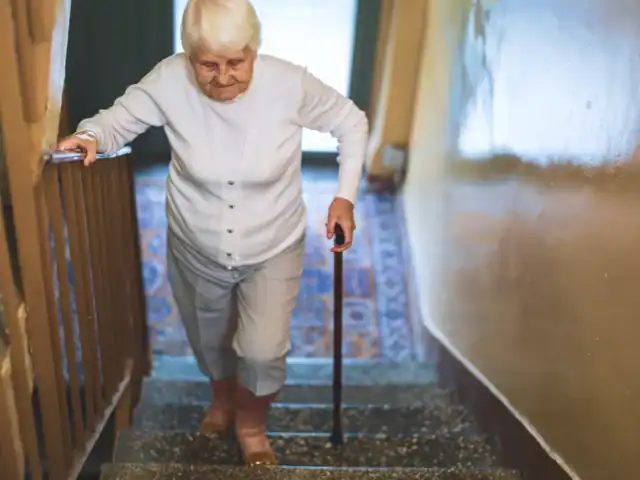
- Pull yourself upward using the railing
- Move more slowly than before
- Avoid unnecessary trips upstairs
These changes may indicate that stair use is becoming increasingly stressful on your joints.
Hip and Lower Back Strain
The effects of stairs aren’t limited to the knees.
Many people also experience stairs and back pain or discomfort in the hips after repeated stair use.
How Compensation Creates More Strain
When a joint becomes painful, the body naturally adapts.
For example, someone with knee pain may:
- Lean heavily to one side
- Twist their torso while climbing
- Take uneven steps
- Shift weight away from the affected leg
While these adjustments may reduce discomfort temporarily, they often increase stress on the hips and lower back.
Over time, compensatory movement patterns can contribute to:
- Hip soreness
- Lower back stiffness
- Muscle fatigue
- Reduced mobility
The Role of Strength and Posture
Weak core, hip, and leg muscles can make stair climbing more difficult.
Maintaining proper posture and participating in healthcare provider-approved strengthening programs may help improve stability and reduce strain during everyday movement.
Fatigue and Cardiovascular Stress
Stairs demand more energy than most people realize.
Even a single flight can elevate heart rate and breathing rate, especially for individuals with:
- Limited endurance
- Chronic health conditions
- Respiratory concerns
- Reduced physical conditioning
Why Fatigue Matters
Feeling tired after climbing stairs isn’t always unusual. However, frequent fatigue can create a safety concern.
When people become tired, they are more likely to:
- Misjudge step height
- Miss a stair entirely
- Lose balance
- React more slowly to hazards
As physical exhaustion increases, so does the risk of falls.
Energy Conservation Strategies
If stairs leave you feeling exhausted, consider:
- Taking breaks when needed
- Planning trips to reduce unnecessary stair use
- Carrying lighter loads
- Using both handrails when available
- Moving at a comfortable pace
Pacing yourself is not a sign of weakness—it’s a practical way to reduce physical stress from stairs.
Balance Challenges and Fall Risk
One of the most important ways how stairs affect your body changes over time involves balance.
As people age, several natural changes occur that can make stairs more challenging:
- Reduced muscle strength
- Slower reaction times
- Changes in vision
- Decreased coordination
- Reduced sensation in the feet
These factors can significantly increase fall risk on stairs.
Common Stair Hazards
Even healthy individuals may be at risk when stairs include:
- Poor lighting
- Worn carpeting
- Clutter on steps
- Loose handrails
- Uneven stair heights
- Slippery surfaces
Carrying items can further reduce visibility and balance, making falls more likely.
Quick Stair Safety Audit
Use this checklist to evaluate your home’s stairs:
□ Are all stairways well lit?
□ Do handrails feel secure?
□ Are steps free from clutter?
□ Are stair edges clearly visible?
□ Is carpeting firmly attached?
□ Are there light switches at both the top and bottom?
□ Can you comfortably use the stairs while holding the railing?
If you answered “no” to any of these questions, improvements may help reduce safety risks.
Emotional and Psychological Stress
The physical demands of stairs often create emotional challenges as well.
For many older adults and individuals with mobility limitations, the fear of falling becomes a daily concern.
How Fear Changes Behavior
People who feel unsafe on stairs may begin to:
- Avoid certain parts of the home
- Sleep on a couch instead of using upstairs bedrooms
- Limit household activities
- Reduce social engagement
These changes can gradually impact independence and quality of life.
Reducing Daily Stress
Improving accessibility doesn’t just help physically—it can also provide peace of mind.
Knowing that you can move safely throughout your home often reduces anxiety and restores confidence in daily routines.
Signs Your Stairs May Be Causing Too Much Strain
Sometimes the warning signs develop gradually, making them easy to overlook.
Pay attention if you regularly experience:
- Shortness of breath after one flight of stairs
- Knee, hip, or back pain during stair use
- Frequent fatigue after climbing
- Tight gripping of handrails
- Pausing midway to rest
- Avoiding upstairs rooms
- Difficulty carrying items
- Near falls or slips
- Fear when approaching stairs
Tracking these changes over time can help you identify patterns before a serious injury occurs.
Self-Assessment: Are Your Stairs Becoming a Problem?
Answer yes or no to the following questions:
- Do stairs cause pain in your knees, hips, or back?
- Do you rely heavily on a handrail?
- Have you avoided using certain rooms because of stairs?
- Do you become unusually tired after climbing stairs?
- Have you stumbled or nearly fallen in the past six months?
- Do you feel anxious when using stairs?
- Do family members express concern about your safety on stairs?
- Have stairs become noticeably harder than they were a year ago?
If you answered “yes” to multiple questions, it may be worth discussing mobility concerns with your healthcare provider and exploring ways to improve safety at home.
Ways to Reduce Physical Stress from Stairs
Small improvements can often make a meaningful difference.
Improve Lighting
Good visibility helps reduce missteps and improves confidence.
Consider:
- Brighter overhead fixtures
- Motion-sensor lighting
- Illuminated stair edges
- Night lights for evening use
Install Secure Handrails
Strong handrails provide stability and support.
Ideally, handrails should be:
- Easy to grip
- Properly anchored
- Available along the entire staircase
Remove Trip Hazards
Keep stairs free from:
- Shoes
- Cords
- Laundry
- Decorative items
- Loose rugs
Avoid Carrying Heavy Loads
Carrying bulky or heavy items can affect balance and visibility.
Whenever possible:
- Make multiple lighter trips
- Use baskets with handles
- Ask for assistance when needed
Wear Supportive Footwear
Proper footwear can improve stability and reduce strain on joints.
Choose shoes with:
- Non-slip soles
- Good arch support
- Secure fit
Stay Active
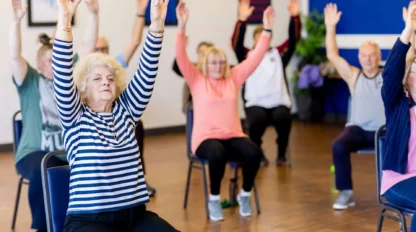
Healthcare provider-approved exercise programs that focus on strength, flexibility, and balance may help make stair use safer and more comfortable.
Consider Long-Term Mobility Planning
Sometimes the best solution is reducing the physical demands of stairs altogether.
Planning ahead can help preserve independence while minimizing daily stress on the body.
When to Consider an Accessibility Solution
If stair use is causing increasing pain, fatigue, or safety concerns, it may be time to explore additional support.
Many homeowners wait until after a fall or injury to make changes. However, proactive planning often provides the greatest benefit.
Accessibility Solutions Can Help Reduce:
- Joint strain
- Physical fatigue
- Fall risk
- Anxiety about using stairs
- Dependence on family caregivers
For many households, stairlifts provide a practical way to continue enjoying a multi-level home while reducing the physical stress associated with daily stair use.
The goal isn’t to stop being active—it’s to preserve energy, improve safety, and maintain independence for the long term.
Frequently Asked Questions
Why do stairs hurt my knees?
Stairs place significantly more pressure on the knee joint than walking on level ground. Existing conditions such as arthritis, cartilage damage, or muscle weakness can make this pressure more noticeable and painful.
Are stairs bad for arthritis?
Not necessarily. Moderate activity can support joint health, but repeated stair climbing may aggravate symptoms for some individuals with arthritis. If stairs consistently cause pain, discuss your symptoms with a healthcare provider.
How many stairs are too many for seniors?
There is no universal number. The answer depends on overall health, strength, endurance, and balance. Difficulty completing routine stair use without pain or fatigue may indicate that modifications or support are needed.
Can stair climbing increase fall risk?
Yes. Fatigue, balance challenges, poor lighting, vision changes, and joint pain can all increase the likelihood of falls on stairs.
What are alternatives to using stairs?
Depending on individual needs and home layout, options may include relocating key living spaces to one level, installing ramps where appropriate, or using accessibility solutions such as stairlifts to improve safety and reduce physical strain.
Protect Your Mobility Before Stairs Become a Problem
Stairs are something many of us use every day without a second thought. But over time, the physical stress from stairs can add up, contributing to joint pain, fatigue, balance challenges, and reduced confidence at home.
The good news is that small changes can make a big difference. By paying attention to warning signs early and taking steps to improve safety, you can continue enjoying the comfort and independence of your home for years to come.
If stairs are becoming more difficult, don’t wait for a fall or injury to take action. Proactive planning can help protect your mobility, reduce daily strain, and support a safer future at home. Find a Harmar-certified dealer in your area today to learn more about home accessibility products!