How to Prevent Falls at Home: A Room-by-Room Guide for Safer, Independent Living
June 25, 2026
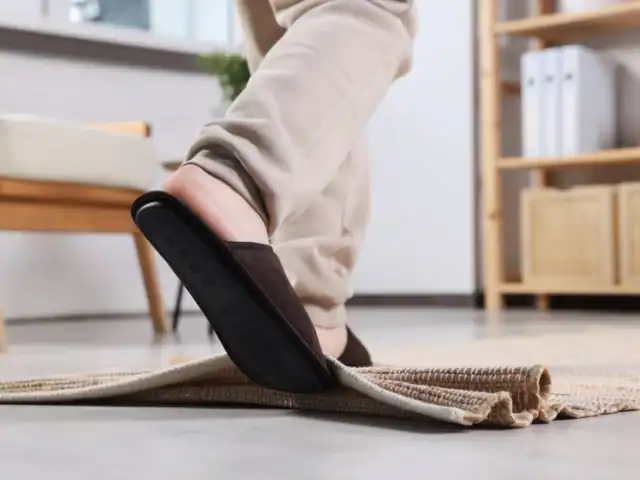
Falls can happen to anyone, but as we age or recover from an injury, the consequences become much more serious. The good news? Many falls are preventable with simple changes around the home.
Whether you’re planning ahead for yourself, helping a parent age in place, or caring for a loved one with mobility challenges, taking a proactive approach to fall prevention at home can help protect health, preserve independence, and provide peace of mind.
In this room-by-room guide, we’ll explore how to prevent falls at home with practical, affordable strategies you can start implementing today.
Why Fall Prevention Matters
Your home should be the safest place you spend time—but it’s also where many falls occur. Everyday hazards like loose rugs, poor lighting, cluttered walkways, or steep stairs can increase the risk of injury, especially for older adults.
While a single fall can result in broken bones or hospitalization, it can also affect something less visible: Confidence. Many people become hesitant to move around after a fall, leading to decreased activity, muscle weakness, and even greater fall risk over time.
That’s why preventing falls for seniors and individuals with mobility challenges isn’t just about avoiding accidents—it’s about protecting independence and maintaining the freedom to live comfortably at home.
Fortunately, many home hazards are easy to identify and address.
Entryways and Hallways
Your home’s entrances and connecting hallways set the tone for safe movement throughout the day.
Remove clutter
Shoes, packages, umbrellas, pet toys, and decorative items can quickly become tripping hazards. Keep entryways organized and ensure hallways remain clear of obstacles.
Secure rugs
Area rugs should have non-slip backing or be removed altogether. Even small rugs can slide unexpectedly and contribute to falls.
Improve lighting
Dimly lit entryways make it difficult to spot uneven flooring or obstacles. Install brighter bulbs where appropriate and consider motion-activated lighting for nighttime visibility.
Check handrails
If your entry includes steps, inspect railings regularly to ensure they’re sturdy and securely attached.
Living Room Safety
The living room is often where people spend the most time—and where hidden hazards can accumulate.
Organize electrical cords
Route cords behind furniture or along walls using cord organizers. Avoid running cords across walkways.
Choose stable furniture
Avoid lightweight tables or decorative pieces that may tip if someone uses them for support. If balance is a concern, sturdy furniture is always the safer option.
Create clear walking paths
Arrange furniture so there is plenty of room to move freely without navigating around unnecessary obstacles.
Improve lighting
Use layered lighting throughout the room, including floor lamps and table lamps, to reduce shadows. Replace burnt-out bulbs promptly.
Kitchen Fall Prevention
The kitchen combines frequent movement with hard flooring, making it an important area for home fall prevention tips.
Store everyday items within easy reach
Frequently used cookware, dishes, and pantry items should be stored between shoulder and waist height whenever possible. This minimizes unnecessary reaching or bending.
Clean spills immediately
Water, grease, and food spills can quickly become slipping hazards. Keep absorbent towels nearby and clean messes as soon as they occur.
Use a sturdy step stool
If reaching high shelves is unavoidable, use a stable step stool with handrails rather than standing on a chair or countertop.
Improve task lighting
Ensure countertops, sinks, and food preparation areas are well lit to improve visibility while cooking.
Bathroom Fall Safety
Bathrooms are one of the most common locations for falls because water creates slippery surfaces.
Improving bathroom fall safety often requires only a few targeted upgrades.
Install grab bars
Secure grab bars near the toilet and inside the shower or bathtub provide stable support during transfers and bathing.
Unlike towel bars, grab bars are designed to support body weight safely.
Add non-slip surfaces
Use rubber-backed bath mats outside the shower and apply non-slip strips or mats inside the tub.
Consider a shower seat
A shower chair or transfer bench can reduce fatigue and improve stability during bathing.
Reduce clutter
Keep toiletries organized and avoid storing items on the floor where they could become obstacles.
Upgrade lighting
Bright lighting around mirrors, showers, and toilets helps improve visibility, especially during nighttime bathroom visits.
Bedroom Safety
A safe bedroom supports restful sleep while making nighttime movement easier.
Keep pathways clear
Maintain a direct, unobstructed route between the bed and the bathroom.
Avoid storing baskets, shoes, or boxes where they may be difficult to see after dark.
Use nightlights
Automatic nightlights or motion-sensing lights help illuminate pathways without requiring someone to search for a switch.
Keep essentials nearby
Place medications, glasses, phones, and water within easy reach to reduce unnecessary stretching or rushing.
Remove bedside rugs
Loose rugs near the bed often shift underfoot and are a common source of trips.
Stair Fall Prevention
Stairs present one of the greatest fall risks in any home, particularly for individuals experiencing reduced balance, joint pain, or muscle weakness.
Proper stair fall prevention can significantly improve safety.
Install sturdy handrails
Whenever possible, install handrails on both sides of the staircase and regularly inspect them for stability.
Improve lighting
Every stair should be clearly visible. Install bright overhead lighting and add illuminated switches at both the top and bottom of the stairs.
Add non-slip treads
Non-slip stair treads or adhesive strips improve traction, particularly on hardwood stairs.
Keep stairs clear
Never store shoes, baskets, laundry, or other household items on stairways.
Avoid carrying heavy loads
Large or awkward items can block visibility and shift balance while climbing stairs. Whenever possible, make multiple trips or ask for assistance.
Garage and Exterior Areas
Outdoor spaces deserve just as much attention as the inside of the home.
Remove trip hazards
Garden hoses, extension cords, tools, and sports equipment should be stored away after use.
Repair uneven surfaces
Cracked sidewalks, uneven pavers, and damaged driveways can create dangerous walking conditions.
Improve exterior lighting
Install bright porch lights and motion-sensing fixtures near entrances, garages, and walkways.
Address weather conditions
Keep walkways free from leaves, standing water, snow, or ice whenever applicable.
Consider safer access
If stairs leading into the home are becoming increasingly difficult to navigate, it may be time to evaluate longer-term accessibility solutions.
Room-by-Room Fall Prevention Checklist
Following a room-by-room fall prevention plan makes it easier to identify potential hazards before they become accidents.
Throughout your home:
- Remove clutter from walkways
- Secure or eliminate loose rugs
- Improve lighting in every room
- Install nightlights where appropriate
- Keep frequently used items within reach
- Organize cords and cables
- Repair uneven flooring
- Ensure furniture is stable
- Install grab bars where needed
- Regularly inspect handrails
Small improvements made consistently can have a significant impact on overall home safety.
Fall Prevention for Individuals With Mobility Challenges
For many people, falls aren’t caused by household hazards alone. Physical changes can also increase risk. In these situations, removing hazards remains important—but additional support may also be beneficial. Mobility aids such as canes, walkers, or rollators can improve stability when properly fitted by a healthcare professional.
Staying physically active is equally important. Strength, flexibility, and balance exercises recommended by a physician or physical therapist can help maintain mobility and reduce fall risk over time.
Taking action early often allows people to continue enjoying the activities they love while remaining independent longer.
Build a Safer Home—One Room at a Time
Learning how to prevent falls at home doesn’t require a complete renovation. In many cases, a series of small improvements—better lighting, cleared pathways, grab bars, and safer stairways—can dramatically reduce risk while making daily life more comfortable.
As mobility needs change over time, it’s also important to recognize when additional accessibility solutions may help preserve independence.
Whether you’re making a few simple updates or planning for long-term aging in place, every proactive step helps create a safer, more accessible home for years to come.
Frequently Asked Questions
What is the best way to prevent falls at home?
The best way to prevent falls at home is to remove common hazards like clutter and loose rugs, improve lighting, install grab bars in bathrooms, use secure handrails on stairs, and keep frequently used items within easy reach. Regular exercise to improve strength and balance can also reduce fall risk.
Which room has the highest risk of falls?
Bathrooms and stairways are among the highest-risk areas because of slippery surfaces, tight spaces, and elevation changes. However, falls can happen anywhere if walkways are cluttered or poorly lit.
How can seniors make their homes safer?
Seniors can improve home safety by removing trip hazards, adding non-slip flooring, installing grab bars and handrails, improving lighting, using mobility aids when appropriate, and considering accessibility solutions like stairlifts if stairs become difficult to navigate.
When should someone consider a stairlift?
A stairlift may be worth considering if climbing stairs causes pain, fatigue, balance issues, or fear of falling, or if someone has already experienced a fall on the stairs. Installing one proactively can help maintain independence and reduce the risk of injury.
What are the most important aging in place safety tips?
Some of the most effective aging in place safety tips include maintaining clear walking paths, improving lighting throughout the home, using assistive devices when needed, exercising to maintain balance and strength, and planning for future mobility needs before a fall occurs.
Ready to learn more? Connect with a local Harmar-certified dealer today using our Dealer Locator!