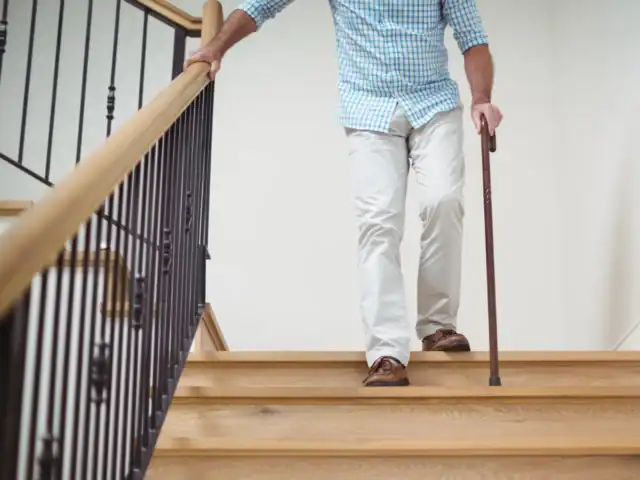
If stairs are becoming difficult, start by making the staircase safer, reducing unnecessary trips between floors, and discussing persistent pain, weakness, or balance problems with a healthcare professional. Depending on your needs and home layout, a stairlift or another accessibility solution may provide a safer, more comfortable way to move throughout your home.
Difficulty climbing stairs often develops gradually. You might notice that your knees hurt more than they used to, you need to pause halfway up, or you rely more heavily on the handrail. These changes may seem small, but they are worth addressing before a fall, injury, or sudden loss of access to part of your home.
Taking action does not necessarily mean making an immediate major change. It means paying attention, reducing current risks, and exploring your options while you have time to make confident decisions.
Recognizing the Early Warning Signs
Stairs can become more challenging so gradually that you may adjust your routine without realizing it. You might climb more slowly, avoid carrying laundry upstairs, or spend less time on another floor of your home.
Common signs of increasing stair difficulty include:
- Knee, hip, ankle, or back pain while climbing or descending
- Increased fatigue or shortness of breath
- Pulling yourself up with the handrail
- Holding the railing with both hands
- Pausing midway to rest
- Feeling unsteady when turning or stepping onto a landing
- Placing both feet on each step instead of alternating feet
- Avoiding certain floors unless necessary
- Asking someone to carry items for you
- Feeling anxious before using the stairs
- Catching a foot on a step or experiencing a near fall
These changes do not automatically mean you must stop using your stairs. They do suggest that it is time to assess your safety and determine what support may help.
Near falls deserve particular attention. A slip or loss of balance that does not result in an injury can be easy to dismiss, but it may reveal a loose handrail, poor lighting, reduced foot clearance, or another problem that should be corrected.
Why Do Stairs Become More Challenging Over Time?
Climbing stairs requires strength, balance, coordination, flexibility, and cardiovascular endurance. A change in any of these areas can make stairs feel more demanding.
Age-related muscle loss may reduce the power needed to lift the body from one step to the next. Changes in balance, vision, depth perception, or reaction time can also affect how confidently someone moves on a staircase.
Joint conditions and previous injuries may contribute to stairs and joint pain. Because climbing and descending place additional demand on the knees and hips, arthritis or an old injury may be more noticeable on stairs than during level walking. Neurological conditions, heart or lung conditions, medication side effects, and recovery from surgery or illness may also affect stair use.
Fear can add another layer of difficulty. When someone is afraid of falling, they may stiffen their body, grip the railing tightly, or move in an unnatural way. That tension can make movement more tiring and sometimes less stable.
A healthcare professional can help identify whether a specific health issue is contributing to the change.
Immediate Steps to Improve Stair Safety
While you evaluate the cause of your mobility challenges at home, several practical changes can make your stairs safer right away.
Improve the lighting
Make sure the entire staircase is evenly lit, including the top, bottom, and any landings. Light switches should be accessible from both ends whenever possible. Nightlights or motion-activated lighting may help if the stairs are used after dark.
Check the handrails
Secure handrails provide support when balance or strength is limited. Ideally, stairs should have sturdy handrails on both sides that extend along the full staircase. Repair loose rails promptly and make sure they are easy to grip.
The National Institute on Aging recommends secure handrails on both sides of a staircase, along with adequate lighting and clear walking paths.
Remove obstacles
Stairs should never double as temporary storage. Remove shoes, bags, books, laundry, cords, and other objects from the steps and landings. Check for loose carpet, damaged flooring, uneven steps, or slippery surfaces.
Wear supportive footwear
Shoes with secure backs, good traction, and a proper fit are generally safer than loose slippers, socks, or shoes with slick soles. Avoid clothing that could catch underfoot.
Keep your hands available
Try not to carry bulky or heavy objects while using the stairs. Use a bag that keeps one or both hands free, ask for help, or find another way to transport items between floors.
Slow down
Use the railing, place your full foot on each step, and move at a controlled pace. Rushing to answer a phone, greet someone at the door, or complete a task can increase the fall risk on stairs.
Reduce Physical Strain on Your Joints
When difficulty climbing stairs is related to pain or fatigue, pushing through every trip may make the problem worse. Reducing strain can help you use your energy more intentionally.
Consider these strategies:
- Combine tasks to reduce the number of trips between floors.
- Keep frequently used supplies on each level.
- Take a break before using the stairs if you are tired.
- Avoid carrying heavy loads.
- Plan demanding activities for the time of day when you feel strongest.
- Follow any pacing or movement recommendations from your healthcare provider.
Strengthening the muscles that support the knees, hips, and core may improve function for some people. However, exercises should match your health, ability, and medical history. A physician, physical therapist, or other qualified professional can recommend appropriate movements and teach you how to perform them safely.
Pain is not a fitness challenge waiting to be conquered through sheer stubbornness. If an activity repeatedly causes significant pain, instability, or breathlessness, stop and seek professional guidance.
Consider Temporary Adjustments to Your Routine
You do not need a complete home renovation to reduce daily stair use. Temporary adjustments can provide relief while you assess your needs and explore long-term options.
If possible, arrange essential activities on one floor. This might include creating a temporary sleeping space on the main level, moving a workstation downstairs, or storing medications, clothing, and personal-care items where they are easier to reach.
Other helpful changes may include:
- Keeping cleaning products on both floors
- Moving commonly used kitchen or household items downstairs
- Using a second laundry basket so items can wait for assistance
- Scheduling bathing or household tasks when another person is nearby
- Limiting unnecessary stair use when tired, dizzy, or in pain
These changes are not “giving in.” They are practical ways to protect your energy and lower your risk while determining what will work best over the long term.
When to Involve a Healthcare Professional
Tell a healthcare professional when stair difficulty is persistent, worsening, or affecting your daily activities. It is especially important to seek guidance if you experience:
- New or increasing joint pain
- Muscle weakness
- Dizziness or balance problems
- Frequent tripping or near falls
- Unusual shortness of breath
- Chest discomfort
- Numbness or changes in coordination
- A sudden change in your ability to walk or climb stairs
- Symptoms that began after a fall, injury, illness, or medication change
Sudden or severe symptoms may require urgent medical attention. Do not attempt the stairs if you feel unable to use them safely.
You can also mention smaller changes during a routine appointment. Early conversations give your provider an opportunity to review medications, evaluate strength and balance, or recommend physical or occupational therapy.
An occupational therapist may also perform a home safety assessment and suggest ways to make everyday activities safer. Seeking professional input before a fall is a proactive step—not an overreaction.
Exploring Long-Term Mobility Solutions
If safety improvements and routine changes are no longer enough, accessibility equipment can reduce daily strain and help keep every level of your home within reach.
Stairlifts
A stairlift carries a seated rider along a rail installed beside the staircase. It can be a practical option for someone who can transfer safely onto and off the seat but finds climbing stairs painful, exhausting, or unsteady.
Straight stairlifts are designed for staircases without curves or intermediate landings. Curved stairlifts are created for stairways with turns, bends, or more complex layouts. Harmar offers both straight stairlifts and curved stairlifts to accommodate different homes and mobility needs.
Vertical platform lifts and step lifts
A vertical platform lift may be appropriate for someone who uses a wheelchair, power chair, or mobility scooter. These lifts move the user vertically between levels without requiring a transfer to a stairlift seat.
They are commonly used at porches, decks, garages, or other elevated entrances, although the appropriate application depends on the home. A short-rise platform or step lift may address a smaller elevation change where stairs have become a barrier.
Residential elevators
A home elevator can provide access between multiple floors for people with different mobility needs. It may be worth considering during a major renovation, new construction project, or long-term accessibility plan.
The right solution depends on your mobility, ability to transfer, staircase configuration, available space, household needs, and budget. An experienced accessibility dealer can assess the home and explain which options are suitable.
When Should You Consider a Stairlift?
Consider speaking with a stairlift professional when:
- Pain or fatigue regularly limits stair use.
- You avoid part of your home because of the stairs.
- You have experienced a fall or repeated near falls.
- Carrying everyday items between floors is no longer safe.
- A temporary injury or progressive condition has changed your mobility.
- Family members are increasingly concerned about your safety.
- You want to remain in your multilevel home for the long term.
You do not have to wait until the stairs become impossible. Evaluating a stairlift early gives you more time to compare products, plan for installation, and participate fully in the decision.
Harmar’s stairlift guide can help you understand how staircase layout and individual needs influence the type of lift that may work in your home.
The Emotional Impact of Stair Difficulty
Mobility changes can bring frustration, embarrassment, grief, or fear. Someone who has used the same staircase for decades may feel that needing assistance threatens their independence.
In reality, avoiding the issue can gradually make life more restrictive. You may stop sleeping in your bedroom, doing laundry, enjoying a hobby room, or visiting parts of the home that matter to you.
Open family conversations can help, especially when they focus on the individual’s goals rather than on what they “can’t” do. Helpful questions include:
- Which parts of the home are most important to you?
- When do the stairs feel most difficult?
- What would make you feel safer?
- What type of assistance would you be comfortable using?
- What would help you stay in control of the decision?
Accessibility upgrades are not about taking away independence. They are tools that can preserve access, confidence, and choice.
A Simple Decision Framework: From Awareness to Action
If you are wondering what to do if stairs are becoming difficult, use this four-step framework.
Step 1: Assess your current safety
Notice when and why the stairs feel difficult. Look for pain, fatigue, unsteadiness, near falls, environmental hazards, and changes in how often you use each floor.
Step 2: Make immediate improvements
Add lighting, secure the handrails, clear the steps, wear supportive footwear, and reduce the number of items you carry. Reorganize household routines to limit unnecessary trips.
Step 3: Consult the right professionals
Discuss persistent symptoms with a healthcare professional. Depending on your situation, a physical therapist, occupational therapist, or home accessibility specialist may provide additional guidance.
Step 4: Evaluate accessibility solutions early
Explore stairlifts, platform lifts, or residential elevators before a fall forces a rushed decision. Compare solutions based on your current needs, expected future needs, home layout, and personal preferences.
Early planning gives you the greatest opportunity to choose how you want to move through your home.
Frequently Asked Questions
Why are stairs becoming harder to climb?
Stairs may become harder because of reduced muscle strength, joint pain, balance changes, lower endurance, injury, medication side effects, or an underlying health condition. A healthcare professional can help identify the cause, especially if the change is new or worsening.
Is difficulty climbing stairs a sign of a health problem?
It can be. Occasional difficulty may result from fatigue or temporary soreness, but persistent pain, weakness, breathlessness, dizziness, or instability should be discussed with a healthcare professional.
How can I make stairs safer?
Improve lighting, install secure handrails on both sides, remove clutter, repair damaged or slippery surfaces, wear supportive footwear, avoid carrying large items, and move slowly. If the stairs remain difficult, consider a professional home safety assessment.
When should I consider a stairlift?
Consider a stairlift when pain, fatigue, balance problems, or fear regularly interfere with stair use. It is best to explore your options before a fall or injury makes the decision urgent.
Are there alternatives to using stairs daily?
Yes. Depending on your needs and home, alternatives may include reorganizing daily activities onto one floor, installing a stairlift or vertical platform lift, or adding a residential elevator. A home accessibility professional can help determine which solution fits your mobility and layout.
Take the Next Step Before the Next Step Feels Harder
Stairs becoming difficult does not automatically mean leaving the home you love or giving up access to an entire floor. Small safety improvements can help today, while professional guidance and accessibility solutions can support your future.
Planning early allows you to make decisions calmly, protect your joints, reduce your fall risk, and remain involved in every choice.
Ready to explore your options? Find a Harmar dealer near you to discuss a home accessibility solution tailored to your needs.