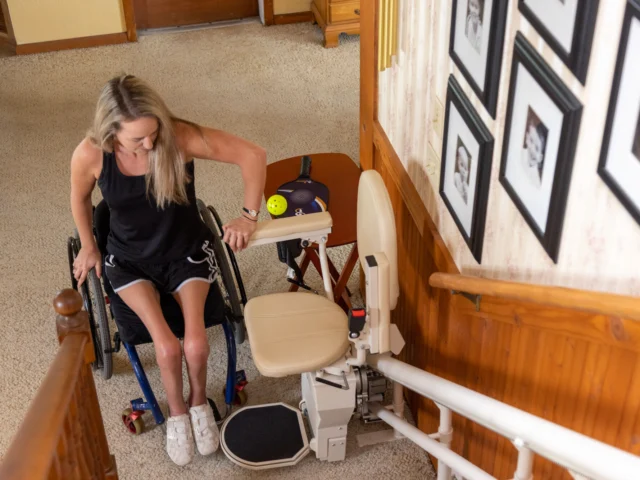
For years, home access solutions were often treated as a last step—something to consider after a fall, after a hospital discharge, or after mobility had already declined. Today, that mindset is changing.
Home access is increasingly recognized as a vital part of the continuum of care, playing a proactive role in safety, recovery, independence, and quality of life. Rather than being an afterthought, accessible home environments are becoming foundational to long-term health and well-being.
A safe home isn’t just more functional—it’s a happier, more empowering place to live.
Home Access Is Becoming Part of the Continuum of Care
The continuum of care focuses on coordinated, patient-centered support across settings—from hospitals and rehabilitation centers to outpatient care and the home. As healthcare shifts toward prevention and long-term outcomes, the role of the home environment has never been more important.
Falls, limited mobility, and unsafe living conditions can undermine even the best clinical care. When patients return home to environments that don’t support their needs, progress can stall—or reverse.
That’s why home access solutions are now being integrated earlier into care planning, helping bridge the gap between clinical treatment and real-life independence.
The Home Environment Directly Impacts Health Outcomes
A home that isn’t designed for mobility can increase:
- Fall risk
- Fear of movement
- Reliance on caregivers
- Social isolation
These factors don’t just affect physical safety—they impact mental health, confidence, and long-term outcomes.
By contrast, a home that supports safe movement encourages activity, independence, and participation in daily life. This alignment between environment and ability is a key reason home access is gaining recognition within the broader care model.
From Reactive to Proactive: A Shift in Thinking
Historically, home access solutions were introduced only after a crisis—such as a serious fall or injury. Today, clinicians, caregivers, and families are embracing a more proactive approach.
Installing home access solutions earlier can:
- Help prevent falls before they happen
- Support recovery after surgery or hospitalization
- Enable aging in place
- Reduce the need for long-term institutional care
This shift mirrors broader healthcare trends focused on prevention, patient autonomy, and quality of life.
Supporting Independence, Dignity, and Confidence
One of the most important benefits of home access solutions is the preservation of independence.
When individuals can safely navigate their homes:
- They’re more likely to stay active
- They maintain confidence in daily routines
- They experience less frustration and fear
- They retain a sense of dignity and control
Independence isn’t just a convenience—it’s closely tied to emotional well-being and overall happiness.
Collaboration Is Key
As home access becomes part of the continuum of care, collaboration across disciplines is essential. Physical therapists, occupational therapists, discharge planners, caregivers, and home access professionals all play a role in creating safe transitions from care settings to the home.
When these groups work together, patients benefit from solutions that are:
- Appropriate to their functional needs
- Installed at the right time
- Designed for long-term success
This collaborative approach helps ensure that safety at home supports—not limits—ongoing care.
A Safer Home Benefits Everyone
While home access solutions are often discussed in the context of aging or disability, their benefits extend beyond one individual.
A safer home:
- Reduces caregiver stress
- Improves family peace of mind
- Supports multigenerational households
- Adapts to changing needs over time
It’s an investment not just in accessibility, but in overall household well-being.
To Wrap It Up
Home access is no longer an afterthought—it’s an essential part of the continuum of care. By prioritizing safety, mobility, and independence at home, families and care teams can create environments that truly support long-term health and happiness.
At Harmar, we believe that a safe home is a happy home—and that thoughtful access solutions help people live more confidently, comfortably, and independently every day. To connect with a home access, Harmar-certified dealer near you, visit our Dealer Locator!