

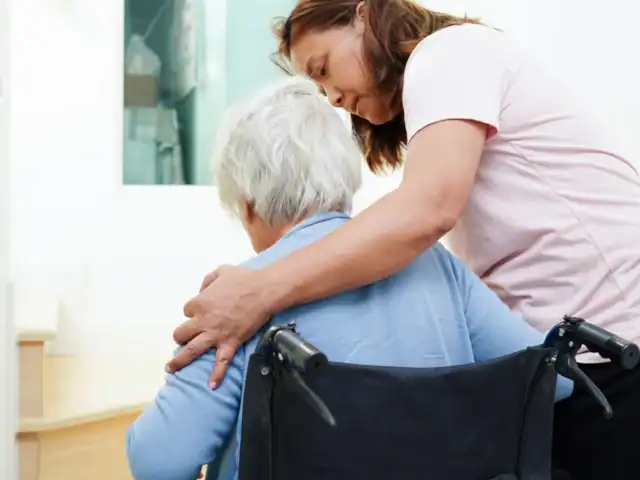
As a family caregiver, you are often the first to notice when things begin to change. Long before a routine doctor’s visit, you might see your loved one reaching for furniture to steady themselves, taking the stairs a bit more slowly, avoiding certain rooms, or asking for an extra hand to get out of their favorite chair. These small shifts in daily routine are valuable clues, and they are worth paying attention to. Recognizing these changes is the most critical first step in fall prevention. As a partner in their care, your goal isn’t to hover over them or restrict their independence, but rather to help them continue moving, making choices, and safely doing as much as they can for themselves.
True fall prevention is never just one quick fix or a single product. Instead, it is a thoughtful and ongoing combination of watching for physical changes, reducing everyday hazards, finding ways to support their strength and mobility, and knowing exactly when to bring the right concerns to their care team. This guide will help you navigate those real-life decisions, showing you what to watch for, what you can adjust yourself, and when to seek professional guidance.
Start by Looking for Changes, Not Just Hazards
A basic home-safety check focuses on physical hazards like clutter or cords. However, a true fall-risk review starts with the person. The layout of the house hasn’t changed, but your loved one’s strength, vision, and balance might have. Instead of only inspecting the floors, observe how they move through the space. Are they rushing to the bathroom at night, hesitating at outdoor steps, or showing new fatigue by the afternoon? Because mobility fluctuates, look for consistent patterns over several weeks rather than reacting to a single good or bad day. Documenting these gradual changes helps you make better decisions together.
If your parent has experienced a recent fall or near-fall, has a new unsteadiness, holds onto walls or furniture, hesitates before stairs, or has difficulty standing from a chair, they may be at a greater risk of falling. Additional signs consist of slower walking, shuffling, dizziness, fatigue, needing more help with transfers, or avoiding activities because of fear of falling. Keep a record of when the problem happens, where it happens, what your loved one was doing, whether they felt dizzy or weak, and whether a medication change or illness happened around the same time. This gives you something specific to discuss with their healthcare team later on.
Talk About Falls Before a Serious One Happens
Bringing up mobility concerns can feel delicate, but waiting for an emergency makes the conversation much harder. Start by talking openly with your loved one about recent near-falls, unsteadiness, or a quiet fear of falling. Frame the discussion around partnership rather than restrictions: the goal is to keep them living safely and comfortably, not to strip away their independence. Ask what daily tasks feel challenging lately, and document those observations together. Then, share these specific notes with their primary care provider. Honest, nonjudgmental dialogue turns fall prevention into a shared problem-solving effort rather than a sudden loss of control.
What to Bring to an Healthcare Appointment
When it is time to consult your loved one’s primary care provider, come prepared. Don’t just rely on memory. Bring your documented observations about their daily routines, near-falls, and the times of day they seem most unsteady.
Use the upcoming appointment to ask specific and targeted questions to get to the root of the issue. Prior to the appointment, you might ask your loved one: Has anything in their overall health changed recently that could affect balance or walking? Could changes in vision, hearing, foot discomfort, or even their footwear be contributing to the problem? During the appointment, consider asking their healthcare provider: Is the cane or walker they currently use still the safest option? Would a physical therapy or occupational therapy evaluation help them build strength and navigate the home more safely?
It is also critical to bring a comprehensive medication list to review with the doctor or pharmacist. Remember that prescription drugs are only part of the picture. Be sure to include all over-the-counter medications, vitamins, and supplements. Ask if any current medications, or interactions between them, could be causing side effects like dizziness, sleepiness, or low blood pressure.
Encourage Strength and Balance Without Taking Over
After a loved one experiences a fall or almost fall, a caregiver’s natural instinct is often to protect them by discouraging movement. It is tempting to step in and say, “Just sit down, I will get that for you.” However, taking over daily tasks and restricting their activity can unintentionally increase their fall risk. Muscles weaken quickly when they are not used, and a loss of physical strength makes future falls more likely. Instead of limiting their mobility, focus on supporting it. Safe movement remains one of the most effective tools for fall prevention which helps to preserve both their physical capabilities and their independence.
Ask About the Right Type of Exercise
To ensure they are moving safely, discuss physical activity with their healthcare provider or a physical therapist. Professional guidance is critical if your loved one has recently experienced a fall, recovered from a surgery or illness, or shown a noticeable decline in balance. A clinician can evaluate their abilities and recommend targeted activities, taking the guesswork out of the equation. Depending on their needs, this might include specific strength and balance exercises, a daily walking routine, or gentle, structured programs like Tai Chi. Partnering with their care team helps your loved one build confidence and steadiness at a pace that is right for them.
Check Vision, Feet, and Footwear
When it comes to fall prevention for family caregivers, you might focus on clearing the floor, but vision and foot health play a massive role in a person’s daily stability. Make sure your loved one keeps up with regular vision care. Increased fall risk can stem from easily overlooked practical issues, such as smudged lenses, an outdated prescription, or new difficulty judging outdoor steps and sudden changes in flooring. If your loved one wears bifocals or progressive lenses and seems unusually hesitant when looking down at the stairs, do not try to guess the cause and bring this observation to your eye doctor.
Similarly, foot comfort is critical for balance. If a person changes the way they walk because their foot hurts, a shoe does not fit well, or they are experiencing numbness and reduced sensation, they naturally become less stable. When foot issues persist, seek a professional evaluation from a foot specialist rather than ignoring the problem. Also, make sure they are wearing secure and appropriate footwear inside the home. Socks, loose backless slippers, or smooth-soled shoes are never safe substitutes for supportive, stable footwear, especially when navigating a house with different types of flooring.
Do a Caregiver Walkthrough of the Home
Clear the routes that matter the most. Prioritize the path from the bed to the bathroom, the way to the kitchen, the main entryway, and any walkway to a favorite chair or frequently used room. Remove clutter, cords, loose rugs, and objects that force the person to step around furniture. We recommend doing a walk through both during the day and at night to ensure full safety regardless of the circumstances.
Add in extra lights on stair tops and bottoms, along hallways, in bathrooms, through entryways, and wherever your loved one will be potentially walking during the night. Light switches should be accessible and clearly lit so they can be found in the dark. Motion-activated nightlights are also a great option as they eliminate the need for a night light switch altogether.
Additionally, cover properly installed grab bars near the toilet and bathing area, non-slip surfaces, and shower seating when appropriate. Towel bars and unstable furniture should not be treated as weight-bearing supports.
Take Stairs Seriously When the Pattern Changes
Staircases demand far more from the body than flat hallways as they require a mix of balance, lower-body strength, depth perception, and cardiovascular endurance. While the physical structure matters, the most critical safety indicators come from observing how your loved one’s habits on the stairs evolve over time.
Watch closely for subtle behavioral shifts. You might notice them pulling heavily on the handrail to hoist their body weight, pausing midway to catch their breath, or taking steps one at a time when that was never their norm. Other red flags include visible hesitation or anxiety before stepping onto a flight, asking you to stand directly behind or below them for reassurance, or quietly avoiding an entire floor of the house altogether. Carrying bulky items like laundry hampers or groceries while attempting to maintain contact with the rail exponentially increases their fall risk and signals that the current routine is no longer safe.
Make Transfers Safer for Both People
Moving between a bed, chair, toilet, or vehicle is one of the most physically demanding aspects of daily care. When these transitions get harder, family caregivers often step in with improvised assistance. However, repeatedly pulling someone up by their arms or trying to catch their full body weight during a stumble places both of you at serious risk of acute back strains, shoulder tears, or joint injuries.
Because every person’s balance and strength profile differs, there is no universal lifting technique. If transfers are becoming a daily struggle, ask a physical or occupational therapist for an evaluation. A clinician can assess body mechanics, teach safe movement techniques tailored to your loved one’s specific capabilities, and recommend targeted equipment. The guiding rule is simple: make the physical setup do more of the work rather than relying on your own muscles.
Have a Plan for a Fall or Near-Fall
If a fall occurs, stay with the person, check for obvious injury or concerning symptoms, and get appropriate help rather than immediately pulling them to their feet. If there may be a serious injury, head injury, severe pain, loss of consciousness, or the person cannot safely get up, seek emergency medical assistance.
Following care, ask what happened just before the fall: Was the person rushing? Was the room dark? Did they feel dizzy? Was the floor wet? Were they carrying something? Had their medication recently changed? This turns the event into useful information for prevention rather than treating it as random bad luck.
Reassess the Plan as Needs Change
Fall prevention is never a one-time checklist. A safety solution or daily routine that worked perfectly six months ago may no longer fit your loved one’s current reality. It’s essential to repeat your home walkthrough and review their physical needs whenever circumstances shift. Always reassess the home after a fall, a recent hospitalization, a new medical diagnosis, or a significant medication change. You should also reevaluate when introducing a new mobility device, noticing a gradual decline in their strength or balance, or altering the home’s layout. As a caregiver, your most vital role is recognizing these transitions early and bringing the right healthcare professionals into the conversation so you can adjust the plan together. It’s also important to remember you’re so appreciated and you’re never alone.
Fall Prevention Tips for Caregivers
Talk openly: Ask about recent falls, near-falls, unsteadiness, and any quiet fear of falling.
Review medications: Keep an updated prescription and supplement list ready for healthcare appointments.
Evaluate mobility: Ask a provider if strength, balance, or physical therapy should be assessed.
Prioritize vision and feet: Keep regular eye care, foot comfort, and safe footwear on your radar.
Clear pathways: Brighten lighting and clear clutter from the most-used walking routes.
Check fixtures: Inspect grab bars, handrails, flooring, and stair safety regularly.
Monitor assistance: Notice whether daily transfers or stairs now require more hands-on help.
Plan emergency access: Keep a phone or call device accessible, especially overnight.
Report shifts: Report any falls or meaningful changes in balance or walking to their doctor.
Revisit the plan: Reevaluate your safety strategy whenever health, mobility, or the home environment changes.
Frequently Asked Questions
What are the most important fall prevention tips for family caregivers?
Watch for subtle balance changes, clear walking paths, review medications with their doctor, encourage safe physical activity, and partner with them to solve challenges rather than restricting movement.
What should I do if my parent has fallen but says they are fine?
Check gently for hidden pain, bruising, or head injury. Document what happened, monitor them closely over the next few days, and notify their primary care provider to investigate underlying causes.
What signs show that an older adult may be at higher risk of falling?
Watch for furniture-walking, hesitating on stairs, slowing down, avoiding certain rooms, struggling to rise from chairs, or expressing a quiet fear of falling.
Can medications increase an older adult’s risk of falling?
Yes. Prescriptions, OTC drugs, and supplements can cause dizziness, drowsiness, or blood pressure drops. Have a doctor or pharmacist review the full list, and never alter medications on your own.
How can I make stairs safer for an aging parent?
Install sturdy handrails on both sides, add bright lighting, remove clutter, apply non-slip treads or contrast strips to edges, and stop carrying heavy items on the stairs.
When should a caregiver ask about physical therapy or occupational therapy?
Ask after any fall, hospitalization, surgery, or balance decline, or when transfers, walking, and daily routines begin requiring more physical assistance from you.
How can I help prevent falls without making my loved one less independent?
Focus on partnership: encourage regular movement, make the home setup do the physical work, and solve safety concerns together rather than taking over tasks they can do.
When should we consider a stairlift or another home accessibility solution?
Consider one when navigating steps causes persistent anxiety, extreme fatigue, or frequent near-falls, or when your loved one starts avoiding essential levels of the home.


