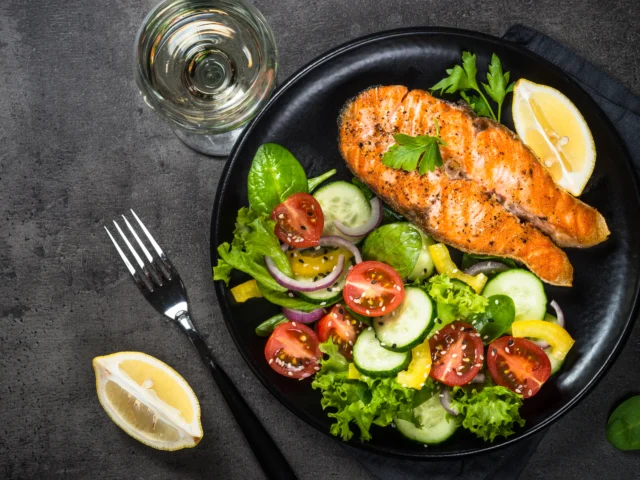
Food is the key to our well-being at every age, but as we grow older, it becomes even more important to consider. Healthy eating is more than just fueling the body—it’s about nourishing ourselves in a way that enhances our quality of life, while connecting us with the people and experiences we love. Eating well in your later years doesn’t mean complicated recipes or expensive ingredients. You don’t need to be a professional chef (or employ one) to create meals that are both delicious and nutritious. The focus should be on simple, balanced foods that give you the vitamins and nutrients you need. These keep you feeling strong, healthy, and happy as you promote heart health, strengthen your bones, and support easier digestion. We’re here to show you that healthy meals can be easy to prepare, affordable, and full of flavor. They’re an opportunity for enjoyment, social connection, and independence.
What Makes a Recipe “Healthy” for Seniors?
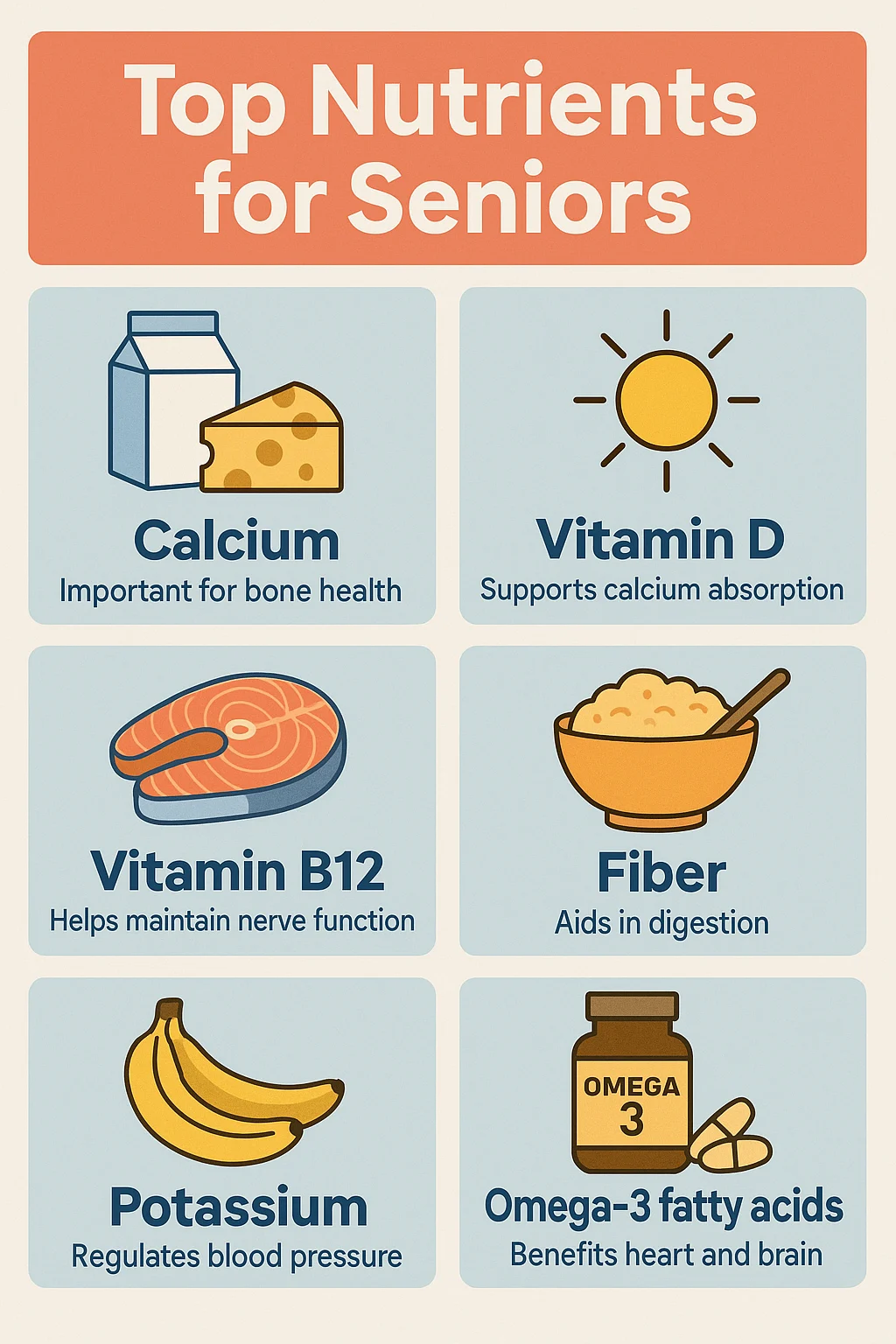
“Healthy” looks different based on your unique needs. A healthy recipe typically balances key macronutrients (think: protein, fiber, and healthy fats) to allow the body to get the fuel it needs for optimal function. It’s usually lower in sodium, sugar, and saturated fats to support heart health, control blood pressure, and prevent chronic conditions. Nutrient-rich ingredients that promote bone strength (calcium and vitamin D), brain health (such as omega-3s), and overall vitality are essential in a healthy meal plan. Simple, easy-to-make recipes with minimal cleanup help make nutritious eating practical for daily life.
Meal Ideas by Time of Day
If you’re in search of a few healthy dinner recipe ideas and beyond, take a look at the following:
Healthy Breakfast Ideas for Seniors
- Oatmeal with chia seeds, berries, and a touch of honey
- Greek yogurt parfaits with granola and soft fruits
- Scrambled eggs with spinach and sweet potato toast
- Smoothies rich in calcium and fiber
Lunches That Are Light but Filling
- Tuna salad with avocado and whole grain crackers
- Vegetable soup with lentils and barley
- Chicken and quinoa bowl with roasted veggies
- Hummus wraps with grilled zucchini and carrots
Simple, Satisfying Dinners
- Baked salmon with steamed broccoli and couscous
- Stuffed bell peppers with brown rice and ground turkey
- Stir-fried tofu with rice noodles and mixed vegetables
- Grilled chicken and roasted sweet potatoes
Dessert That Doesn’t Derail
- Fresh fruit with a drizzle of dark chocolate
- Low-sugar banana bread
- Baked apples with cinnamon and walnuts
- Chia seed pudding with almond milk
Cooking Tips for Seniors and Caregivers
Cooking doesn’t have to be time-consuming or complicated. Here are some practical tips to make mealtime easier and more fun:
- Use pre-cut vegetables and frozen produce: These can save a lot of prep time and reduce the need for chopping. Frozen veggies are just as nutritious and often last longer, making it easy to always have healthy options on hand.
- Batch cook and portion meals: Preparing meals in bulk and dividing them into portions for the week can save time and ensure there’s always a healthy meal ready to go. This minimizes cooking stress and encourages consistent healthy eating.
- Choose easy-to-grip utensils and lightweight pans: Cooking tools that are easy to handle, such as ergonomic knives and lightweight pans, can help prevent strain.
- Keep a printed recipe list on the fridge: Having a go-to list of simple recipes can reduce the stress of figuring out what to cook. Choose meals that are quick to prepare, easy to eat, and tailored to your or your loved one’s needs.
- Flavor with herbs instead of salt: Fresh herbs like basil, parsley, and rosemary can add vibrant flavor without the added sodium, which is especially important for heart health.
Occasion-Based Recipe Ideas
Explore our healthy Thanksgiving recipe ideas and healthy grill recipe ideas below:
Healthy Thanksgiving and Holiday Swaps
- Herb-roasted turkey breast (lower-fat alternative)
- Mashed cauliflower instead of potatoes
- Steamed green beans with garlic instead of casserole
- Pumpkin Greek yogurt parfait instead of pie
Summer Grill Recipes That Are Light and Nutritious
- Grilled vegetable skewers
- Lemon-garlic shrimp with corn on the cob
- Turkey burgers in lettuce wraps
Nutrition, Independence & Wellness
You’ve heard it before: good nutrition is essential. By fueling the body with balanced meals rich in protein, healthy fats, and fiber, we can support our daily activities, boost our energy levels, and reduce the risk of fatigue. Proper nutrition helps us stay active, maintain mobility, and retain our independence for longer. A well-balanced diet contributes to mental clarity, mood stability, and even better sleep, which directly affects how we feel day-to-day. When we nourish our bodies, we improve our overall outlook and resilience, making it easier to navigate life’s challenges. Even small dietary adjustments can play a big role in managing chronic conditions like heart disease, diabetes, or arthritis. Incorporating more fiber, reducing sodium, or adding anti-inflammatory foods like leafy greens can have a noticeable impact on symptom management.
Start by focusing on one meal a day, like a healthy breakfast or a lighter dinner, and build from there. Over time, these small changes add up, supporting both long-term health and wellness. It’s time to prioritize better nourishment. Your future self will thank you!