Lifting Independence: How Residential Elevators Support Therapy Goals
October 29, 2025
As therapists, your mission is to help patients move safely, confidently, and independently. But for many, that progress ends where the staircase begins. Steep steps, multi-level homes, and reduced mobility can quickly undo months of therapy.
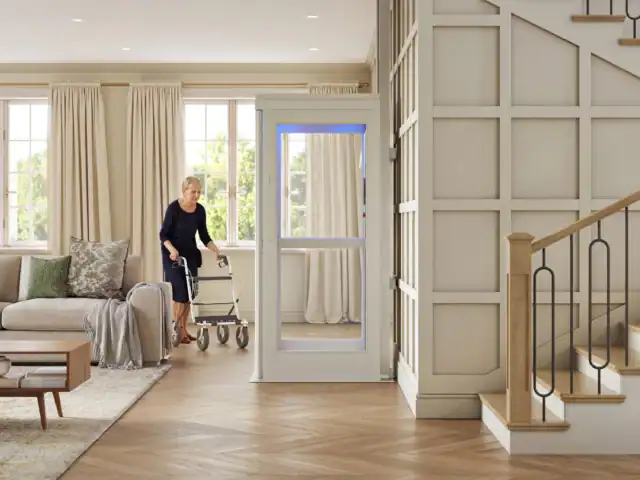
That’s why more physical and occupational therapists are turning to residential elevators as part of their patient care recommendations. These compact, energy-efficient systems bridge the gap between rehab and real-world living—allowing patients to stay safe, independent, and mobile in the place they feel most comfortable: home.
1. Support Aging in Place Safely
Residential elevators empower patients to remain in their homes longer without the risks or costs of relocation. For older adults or those with limited mobility, an elevator removes one of the biggest fall hazards—the staircase—while preserving full home access.
For therapists, recommending a home elevator means supporting long-term fall prevention, one of the most critical factors in sustaining independence and reducing hospital readmissions.
2. Improve Carryover of Therapy Outcomes
Therapy goals often focus on strength, endurance, and functional movement. But when patients return home to an environment that restricts them, even small barriers can limit progress.
Residential elevators allow patients to practice and maintain their mobility routines safely—getting to bedrooms, bathrooms, or home gyms without assistance. This carryover of functional movement from clinic to home reinforces therapy success and boosts patient confidence.
3. Facilitate Safer Transfers and Caregiver Support
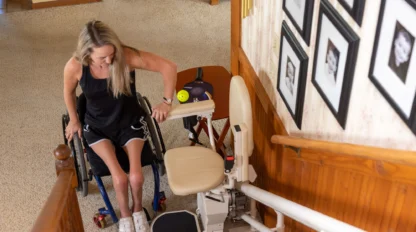
For patients who use mobility devices or rely on caregiver assistance, stairs can complicate daily routines. A residential elevator provides a safe, efficient transfer point for wheelchairs, walkers, or power chairs—reducing physical strain for both patients and caregivers.
Therapists can collaborate with home access professionals to recommend models that accommodate specific equipment dimensions, load capacities, and doorway configurations for truly individualized care.
4. Collaborate with Home Access Experts
Partnering with certified home access dealers or elevator specialists ensures patients receive the right product for their home layout, budget, and mobility level.
- Therapists bring clinical expertise and an understanding of the patient’s movement and safety needs.
- Dealers provide product knowledge, installation guidance, and compliance with local codes.
Together, they deliver holistic solutions that merge therapy outcomes with real-world functionality.
5. Elevate Quality of Life
Beyond safety and function, residential elevators restore something less measurable but deeply important—dignity and independence. Patients can access every part of their home without relying on others. They regain control of daily life, leading to stronger mental health outcomes and improved overall well-being.
A Step Above Traditional Accessibility
For physical and occupational therapists, integrating residential elevators into care recommendations extends the reach of therapy beyond the clinic. These lifts provide a permanent, practical solution that aligns perfectly with goals of safety, independence, and long-term mobility.
Because when patients can move freely in their homes, they don’t just recover—they thrive. Learn more about how the Pollock Residential Elevator can help support safe home accessibility here!