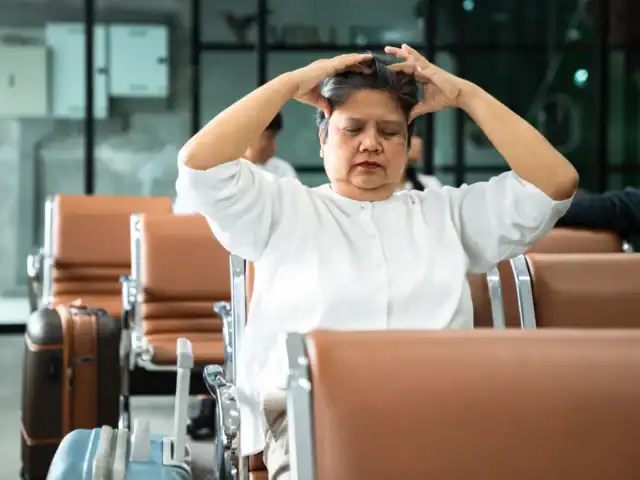
The holidays are meant to be joyful—but for many people, especially seniors and caregivers, the days and weeks after the holidays can feel physically demanding. Travel fatigue, disrupted routines, cold weather, and increased activity can leave people more vulnerable to slips, strains, and mobility challenges once they return home.
That’s why post-holiday recovery at home deserves just as much attention as holiday preparation. With the right safety steps and mobility planning, home can once again become a place of comfort, confidence, and stability—rather than a source of risk.
This guide offers practical, real-world tips for home safety after travel, with a special focus on stairs, fatigue, and mobility support.
Why Post-Holiday Recovery Matters
The period immediately following holiday travel or hosting can be one of the riskiest times of the year for falls and injuries—particularly for older adults.
Fatigue, Travel Stress, and Increased Fall Risk
Holiday travel often involves:
- Long walks through airports
- Standing for extended periods
- Carrying or lifting luggage
- Interrupted sleep and irregular meals
Fatigue affects balance, reaction time, and coordination. When combined with stairs or slippery surfaces at home, it can significantly increase fall risk.
Common Injuries and Mobility Challenges After the Holidays
Post-holiday mobility challenges may include:
- Muscle soreness or joint stiffness
- Exacerbated arthritis pain
- Minor strains from lifting luggage or gifts
- Lingering effects from recent surgery or illness
Even small changes in strength or stability can make everyday tasks—like climbing stairs—feel more difficult than usual.
Assessing Your Home After Travel
A simple home check after returning from travel can help prevent accidents before they happen.
Identifying High-Risk Areas
The most common risk zones include:
- Stairs (especially when tired or carrying items)
- Bathrooms, where moisture increases slip risk
- Entryways, particularly in winter weather
- Dimly lit hallways or cluttered pathways
Addressing these areas early can dramatically improve safety.
Temporary vs. Long-Term Mobility Concerns
Some post-holiday mobility challenges are temporary—others may signal longer-term needs.
Ask yourself:
- Is this discomfort expected to improve in days or weeks?
- Does stair use feel unsafe or exhausting?
- Has balance or endurance noticeably changed?
The answers help determine whether short-term adjustments or longer-term solutions are appropriate.
Making Stairs Safer During Recovery
Stairs are one of the most common places for falls, especially after travel-related fatigue.
Handrails, Lighting, and Clear Pathways
Start with basics:
- Ensure handrails are secure and reachable
- Improve lighting at the top and bottom of stairs
- Remove clutter, shoes, or decorations from steps
These small changes reduce trip hazards immediately.
When Stair Assistance Becomes Necessary
If climbing stairs feels:
- Painful
- Unsteady
- Exhausting
- Anxiety-inducing
…it may be time to consider stair assistance. This doesn’t mean giving up independence—it means protecting it during recovery.
Preparing Key Areas of the Home
Bedroom and Living Areas
After travel, energy levels may be lower than usual. Make sure frequently used items are easy to reach and pathways are clear to reduce unnecessary strain.
Bathrooms and Slip Prevention
Bathrooms deserve special attention:
- Use non-slip mats
- Keep towels and toiletries within reach
- Consider grab bars if balance feels uncertain
Entryways and Outdoor Access
Winter weather increases fall risk. Ensure:
- Walkways are clear of ice or debris
- Mats are secure
- Lighting is adequate for early mornings or evenings
Safe Travel Tips for the Recovery Phase
Reducing Strain After Flights or Long Drives
Give yourself time to rest before resuming normal routines. Avoid rushing back into heavy activity the day you return home.
Managing Luggage and Mobility Aids
If possible:
- Use rolling luggage
- Ask for help carrying bags upstairs
- Avoid carrying items while navigating stairs
Transitioning Safely Back Into Daily Routines
Ease back into daily tasks gradually. Fatigue may linger longer than expected—and that’s okay.
Mobility Solutions That Support Post-Holiday Recovery
Temporary Mobility Aids vs. Home Modifications
Temporary aids like canes or walkers may help short-term, but they don’t eliminate stair risk.
Home modifications—especially stair safety solutions—address the environment itself rather than relying solely on physical endurance.
When to Consider a Stairlift for Recovery
A stairlift may be helpful during recovery if:
- Stairs feel unsafe during fatigue
- Balance is inconsistent
- Carrying items up or down stairs feels risky
Some people use stairlifts temporarily after surgery or injury, while others find long-term peace of mind through continued use.
How Harmar Helps Create Safer Homes
At Harmar, safety and independence don’t end when the holidays do.
Professional Home Assessment
Authorized Harmar professionals can assess stair safety, mobility needs, and home layout to recommend appropriate solutions—whether temporary or long-term.
Stairlift Options for Temporary or Long-Term Needs
Many of Harmar’s dealers offer solutions that support recovery and aging in place, including stairlifts designed for comfort, reliability, and daily use.
Ongoing Support and Peace of Mind
From installation to long-term service, Harmar focuses on helping people feel confident and supported in their homes—especially during vulnerable recovery periods.
Frequently Asked Questions About Post-Holiday Recovery & Mobility
How do I prepare my home for recovery after holiday travel?
Focus on stairs, bathrooms, and entryways. Improve lighting, remove clutter, and address slip hazards immediately.
What are the biggest fall risks after travel?
Fatigue, carrying luggage, disrupted routines, and slippery winter conditions are common contributors.
Are stairlifts only for long-term use?
No. Some people use stairlifts temporarily during recovery, while others continue using them long-term for added safety.
What temporary solutions help with post-travel mobility?
Rest, reduced stair use, handrails, and professional home assessments can help during short-term recovery.
How soon should home safety changes be made?
Immediately. Even small changes can significantly reduce fall risk during recovery.
To Wrap it Up
Post-holiday recovery is about more than rest—it’s about restoring confidence, safety, and comfort at home. By addressing mobility challenges early and thoughtfully, families can prevent falls, reduce stress, and make recovery smoother and safer.
Whether recovery needs are temporary or long-term, proactive home safety planning helps ensure that home remains a place of support—not risk.
If you or a loved one are navigating recovery after travel, a certified Harmar dealer in your area can help you explore stair safety and mobility solutions designed to support independence and peace of mind. Connect with a dealer near you today!