What Is a Battery Backup System and Why Is It Important for Home Access Products?
July 29, 2026
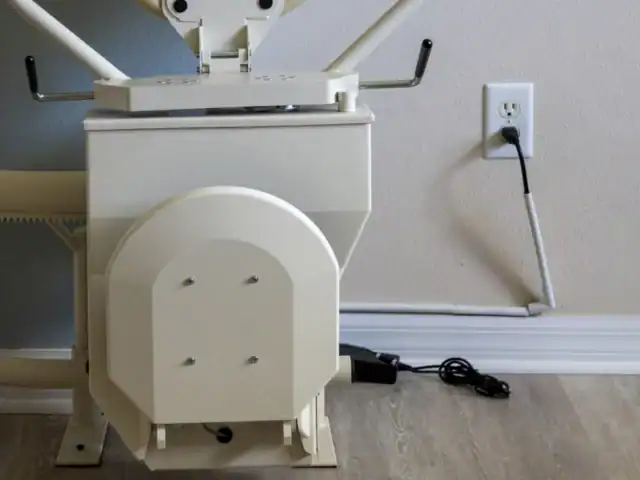
A battery backup system is a built-in or auxiliary power source that supports essential equipment when normal electrical service is interrupted. For stairlifts, home elevators, and vertical platform lifts, backup power can help a user complete a trip, reach a safe landing, or exit the equipment during a power outage.
However, battery systems do not work exactly the same way across every home access product. A battery-powered stairlift may continue making multiple trips, while a residential elevator’s battery may primarily support emergency lowering. A platform lift may use an optional uninterruptible power supply for limited operation.
Understanding these differences helps homeowners choose appropriate equipment, prepare for emergencies, and maintain reliable access between levels of the home.
What Is a Battery Backup System?
A battery backup system is a secondary source of electrical power that supports a device when its primary power supply is unavailable. In home access equipment, it may provide continued short-term operation or power essential safety functions that allow the user to reach a landing and exit.
The system generally includes rechargeable batteries, a charger, and controls that manage the transition between household electricity and stored power.
Battery backup may be used with:
- Straight and curved stairlifts
- Residential elevators
- Vertical platform lifts
- Inclined platform lifts
- Automatic doors
- Emergency lighting
- Communication or alert systems
- Other accessibility equipment
“Battery backup” is a useful general term, but it can also be slightly misleading. In some stairlifts, the batteries are not merely waiting in reserve. They power the stairlift during everyday operation while household electricity keeps them charged. Other products run primarily on household power and switch to batteries only when an outage occurs.
When comparing equipment, ask what the battery actually powers—not simply whether a battery is included.
How Battery Backup Systems Work
Most home access battery systems are designed to operate with little or no action from the user.
A typical system works through four basic stages:
- Charging: Household electricity keeps the batteries charged during normal conditions.
- Monitoring: The equipment monitors its power supply and, in some systems, battery condition.
- Backup operation: When normal power is interrupted, stored energy supports continued travel or an emergency function.
- Recharging: Once electricity returns, the charger restores the batteries automatically.
The transition may be nearly seamless. A stairlift powered by onboard batteries may continue moving without a noticeable interruption. An elevator or platform lift may stop normal operation and activate a more limited backup mode.
How Home Access Products Use Backup Power:
| Product | Typical use of battery power | Expected outage operation |
| Stairlift | Batteries commonly power everyday travel while household electricity recharges them | May continue making multiple trips until the batteries are depleted |
| Home elevator | Backup supports essential controls and emergency movement | Usually travels to a safe landing so passengers can exit |
| Vertical platform lift | Optional battery or UPS system supports temporary operation | May provide one or more trips, depending on the model and configuration |
| Automatic door opener | Battery supports door operation or safe release | Capacity and functions vary by system |
Backup capacity depends on the product, battery condition, passenger load, travel distance, temperature, and installed options. Manufacturer specifications should always guide emergency planning.
Why Battery Backup Is Critical for Stairlifts
For someone who cannot safely climb stairs, a power outage can create more than an inconvenience. Without an operating stairlift, essential spaces such as the bedroom, bathroom, kitchen, or home exit may become temporarily inaccessible.
A battery backup for a stairlift helps preserve access when household electricity is unavailable. Many modern stairlifts operate directly from rechargeable batteries, with an AC-powered charger replenishing them when the lift is parked at a charging point.
This design offers several practical benefits:
- The stairlift may continue operating during an outage.
- A user is less likely to become stranded mid-staircase.
- The lift can provide access to essential areas of the home.
- Users may be less tempted to attempt unsafe stair climbing.
- Caregivers do not have to physically assist someone on the stairs.
- The lift can continue operating through brief electrical interruptions.
Harmar’s SL300 Pinnacle Stairlift, for example, can provide up to 60 up-and-down cycles on its batteries during a power outage. Actual performance can vary based on the staircase, passenger load, battery condition, and other factors.
Battery backup and fall prevention
Backup power indirectly supports fall prevention by keeping the safer mobility option available. If a stairlift stops working and a user attempts the stairs despite pain, weakness, or balance problems, the risk of a fall may increase.
The safest plan is to keep the stairlift properly charged and maintained—and never attempt the stairs simply because an outage has occurred.
A battery-powered stairlift is only one part of its overall protection. Other important home access product safety features may include:
- Seat belts
- Swivel-seat interlocks
- Obstruction sensors
- Overspeed brakes
- Controlled starts and stops
- Audible alerts
- Call/send controls
- Manual lowering tools on applicable models
If you are beginning to notice changes in your stair use, learn when to consider installing a stairlift before mobility becomes an urgent concern.
Battery Backup for Home Elevators
A battery backup for a home elevator usually serves a different purpose than a stairlift battery.
Most residential elevators rely on household electricity for normal travel. During a power outage, their backup systems are commonly designed to support emergency lowering or limited movement—not regular trips throughout the home.
Depending on the elevator, backup operation may:
- Detect the loss of household power
- Supply energy to essential controls
- Move the cabin to a safe landing
- Allow passengers to exit
- Support emergency lighting or communication
- Place the elevator out of normal service until power returns
The Pollock Residential Elevator includes emergency battery backup and battery lowering among its safety features. If power is lost during travel, the backup system is designed to help the cabin reach a landing so the passenger can exit safely.
Backup power does not mean the elevator should be used normally throughout an outage. Once passengers have exited, follow the manufacturer’s instructions and wait for household power to return unless the system is specifically approved for continued operation.
Learn more about how residential elevators support safer, more accessible living.
Battery Backup for Vertical Platform Lifts
Vertical platform lifts, or VPLs, transport users vertically while they remain in a wheelchair, power chair, or scooter. They are often installed near porches, decks, garages, and elevated entrances.
Because an entrance may be the only accessible route into or out of a home, backup power deserves careful consideration.
Harmar’s Highlander II offers the optional ReadyUPS battery backup system. This uninterruptible power supply activates during an outage and is designed to provide a minimum of five complete up-and-down cycles. The system also monitors battery status and can alert the user when batteries are low or maintenance is due.
Other VPLs may provide:
- A limited number of powered trips
- Downward travel only
- Manual emergency lowering
- Battery-supported controls
- No powered outage operation unless an optional system is installed
Homeowners should confirm whether backup power is standard or optional before selecting a platform lift. The conversation should also cover who will use the lift, how essential it is to the home’s accessible entrance, and how long outages typically last in the area.
Battery Backup and Emergency Preparedness
Battery backup should be part of a broader household emergency plan, especially when someone depends on powered equipment for daily mobility.
During an outage, losing access to another floor could also mean losing access to:
- Medication
- Food and water
- A bathroom
- Mobility-device chargers
- Medical supplies
- A caregiver
- The home’s accessible exit
Consider taking these preparedness steps:
- Learn exactly how each home access product behaves during an outage.
- Keep the owner’s manual in an accessible location.
- Post dealer and emergency contact information near the equipment.
- Carry a charged cellphone or wearable alert device.
- Keep medications and critical supplies on an accessible floor.
- Test emergency communication features regularly.
- Avoid unnecessary lift or elevator use during severe weather.
- Discuss longer outages with caregivers or household members.
- Consider a compatible standby generator when uninterrupted access is essential.
Never connect an elevator or lift to a portable generator or improvised power source unless the arrangement has been approved by the manufacturer and installed by qualified professionals.
How Long Do Battery Backup Systems Last?
There is no single runtime for all home access battery systems.
A stairlift may complete numerous trips because its normal operation is already battery-powered. A home elevator may have enough stored energy for one controlled trip to a landing. A platform lift equipped with a UPS may support several full cycles.
Backup duration depends on:
- Battery type and capacity
- Product model
- Age and condition of the batteries
- Passenger and mobility-device weight
- Travel distance
- Frequency of use
- Indoor or outdoor temperature
- Time since the last complete charge
- Additional features drawing from the battery
Harmar’s Pinnacle Straight Stairlifts can provide up to 60 up-and-down cycles under its specified conditions, while the optional ReadyUPS for the Highlander II provides a minimum of five complete cycles. The Pollock Residential Elevator uses battery power for emergency lowering rather than extended routine travel.
These figures illustrate why “How long does the battery last?” should always be answered for a specific model.
Even if the product can complete multiple trips, conserve battery power during an outage. Use the equipment for necessary travel and avoid repeated testing until household electricity returns.
Battery Maintenance and Replacement
Rechargeable batteries gradually lose capacity. A lift may continue working normally while connected to household electricity even though its batteries can no longer provide adequate outage performance.
Regular inspection is the best way to catch battery deterioration before the lights go out—and the lift decides to join them.
Professional maintenance may include:
- Checking battery voltage and condition
- Inspecting the charger and electrical connections
- Testing backup operation
- Reviewing diagnostic codes
- Confirming that charging points work properly
- Inspecting for corrosion or physical damage
- Testing alarms, interlocks, and emergency controls
- Replacing batteries with manufacturer-approved components
Harmar’s SL300 and SL600 owner guidance emphasizes annual inspection to identify battery condition. The exact replacement schedule varies by product, battery type, environment, and use, so batteries should not be replaced based on a universal timeline alone.
How to help preserve battery performance
- Keep the equipment connected to its approved power supply.
- Park a stairlift at its designated charging point.
- Do not turn off household power to the charger unnecessarily.
- Respond promptly to warning lights, beeps, or diagnostic messages.
- Schedule regular professional service.
- Use only approved replacement batteries.
- Have outdoor equipment inspected after flooding or severe weather.
- Contact the dealer if the lift becomes slower or behaves differently.
Battery replacement and electrical service should be performed by a qualified technician. Incorrect batteries or improvised repairs may cause equipment failure and affect its safety protections.
Why Battery Backup Supports Aging in Place
Aging in place is not only about adding accessibility equipment. It is about creating a home that remains usable during ordinary routines and unexpected events.
Reliable backup power can support:
- Continued access to important areas of the home
- Less reliance on caregivers during brief outages
- Reduced fear of becoming stranded
- Greater confidence during storms
- Safer emergency planning
- Long-term independence in a multilevel home
This reliability can be especially meaningful for someone who lives alone or cannot use stairs under any circumstances. Knowing that a stairlift can continue operating—or that an elevator can reach a safe landing—reduces uncertainty for both the user and their family.
Battery backup should therefore be evaluated alongside equipment fit, weight capacity, transfer ability, home layout, and future mobility needs. If cost is a concern, explore home accessibility funding options available in 2026.
Common Questions About Battery Backup Systems
Will my stairlift work during a power outage?
Many modern stairlifts operate from rechargeable batteries and can continue working when household power is unavailable. Runtime varies by model and battery condition. Harmar’s SL300 can provide up to 60 up-and-down cycles on battery power under specified conditions.
How long can a battery backup power a lift?
It depends on the equipment. A stairlift may complete multiple trips, while a home elevator’s battery may only support emergency movement to a landing. Some platform-lift backup systems can provide several complete cycles. Review the specifications for the exact model.
Do home elevators automatically lower during an outage?
Some residential elevators automatically activate an emergency battery system, while others require a specific control or procedure. The Pollock Residential Elevator includes emergency battery backup and battery lowering to help passengers reach a safe landing during a power failure.
How often should lift batteries be replaced?
There is no universal replacement interval. Battery life depends on chemistry, usage, charging, temperature, and equipment design. Have the batteries inspected regularly and replace them when indicated by the manufacturer, diagnostic system, or qualified service professional.
Is a battery backup the same as a generator?
No. A battery backup supplies limited stored power for a specific product or safety function. A generator produces electricity for selected household circuits and may support longer operation. Generator compatibility must be confirmed by the lift manufacturer, dealer, and a qualified electrician.
Build Backup Power Into Your Accessibility Plan
A battery backup system helps home access equipment respond safely when household electricity cannot. For a stairlift, that may mean continued travel. For a home elevator, it may mean reaching a landing and exiting. For a vertical platform lift, an optional UPS may provide several essential trips.
The most important questions are not simply whether a product has a battery, but what the battery powers, how long it is expected to operate, and how its condition is maintained.
A Harmar-certified dealer can help you compare stairlifts, home elevators, and platform lifts while explaining their backup-power features. With the right equipment and emergency plan, a temporary outage does not have to interrupt confidence, safety, or access at home.