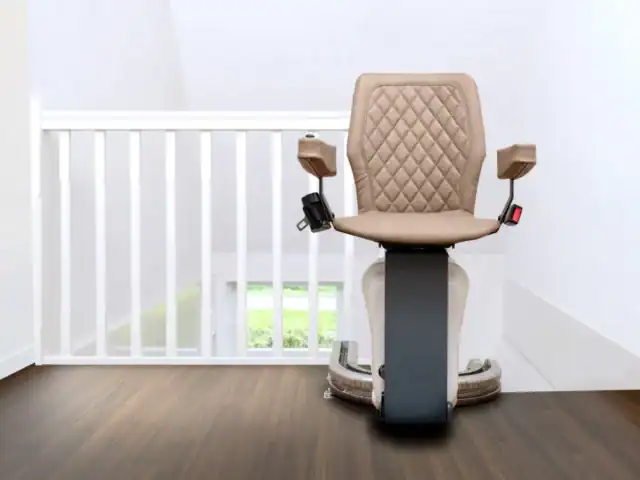
If you’ve ever hesitated halfway up the stairs and thought, “That felt harder than it used to,” you’re already asking the right question.
When is the best time to install a stairlift?
Most people assume the answer is after something happens—a fall, an injury, or a major health change. But the best time is often before any of that occurs.
This guide will help you recognize the early signs, understand timing, and make a confident, well-planned decision—without waiting for a crisis to force your hand.
Why Timing Matters
Stairlifts are often installed reactively. A fall happens, confidence drops, and suddenly stairs feel like an obstacle instead of a routine part of the day.
But here’s the shift: A stairlift isn’t a last resort—it’s a tool for maintaining independence.
Why People Wait
- “I’m not there yet.”
- “I can still manage.”
- “Let’s revisit this later.”
These thoughts are completely normal. But delaying too long can turn a calm decision into an urgent one.
A Better Approach
Installing a stairlift proactively allows you to:
- Stay ahead of mobility changes
- Reduce fall risk before it increases
- Maintain confidence in your daily routine
It’s not about giving something up—it’s about keeping your home fully accessible for longer.
Early Warning Signs You Should Not Ignore
The clearest answer to when should you get a stairlift often comes from small, consistent changes—not one big event.
Common Signs You Need a Stairlift
- Stairs feel more tiring or painful than before
- You grip the railing tightly or use walls for support
- You avoid going upstairs or downstairs unless necessary
- You’ve experienced a near fall or loss of balance
- You need assistance to safely use the stairs
A Simple Yes/No Checklist
Ask yourself (or a loved one):
- Do stairs feel harder than they did 6–12 months ago?
- Do you pause midway to rest?
- Do you feel less stable going down than up?
- Have you changed your routine to avoid stairs?
- Do you feel anxious using the stairs?
If you answered “yes” to even one or two, it may be time to start planning.
Pro Tip: Track Changes
Mobility changes are often gradual. Noticing patterns over time—rather than waiting for a single moment—can help you act earlier and more confidently.
After Surgery or Injury
Sometimes the need for a stairlift becomes clear after a specific event.
Common Scenarios
- Joint replacement (hip, knee)
- Fractures or falls
- Major procedures requiring recovery time
During recovery, stairs can become a daily challenge—not just for the individual, but for the caregiver as well.
A Practical Option: Temporary Stairlift Solutions
In these cases, a stairlift doesn’t have to be permanent. Short-term or rental options can:
- Support safe movement during recovery
- Reduce caregiver strain
- Help maintain independence during healing
Even temporary support can make a big difference in day-to-day comfort.
Progressive Health Conditions
For conditions that affect balance, strength, or coordination, timing becomes even more important.
Why Early Planning Helps
Mobility changes may happen gradually, but they do progress. Waiting until stairs are no longer manageable can make the transition more stressful.
The “Planning Window” Concept
There’s often a window where:
- Stairs are still usable—but more difficult
- Confidence is starting to shift
- Small changes could make a big impact
This is the ideal time to explore a stairlift for aging in place—before mobility declines further.
When Caregiver Assistance Is Increasing
If someone is regularly assisting with stairs, that’s an important signal.
Signs to Watch For
- Standing nearby “just in case”
- Physically supporting someone on stairs
- Feeling nervous during stair use
Why This Matters
Helping someone on stairs can be physically demanding—and risky—for both people.
A stairlift can:
- Reduce strain on caregivers
- Improve safety for both individuals
- Restore independence in daily movement
It’s not replacing care—it’s supporting it.
Before Downsizing or Renovating
Many homeowners assume that moving is the next step when stairs become difficult.
But that’s not always necessary.
Consider This First
Installing a stairlift can:
- Allow you to stay in a home you love
- Avoid the cost and disruption of moving
- Provide immediate access to all levels of your home
Stairlift vs. Major Renovation
- Stairlift: Faster, less invasive, lower disruption
- Renovation or move: Time-consuming, costly, emotionally taxing
For many families, a stairlift is a practical first step before making larger changes.
Why Waiting Can Increase Risk
It’s easy to delay decisions—especially when nothing “serious” has happened yet.
But waiting often comes with hidden costs.
The Cost of Waiting
- Increased fall risk
- Reduced confidence on stairs
- Limited access to parts of the home
- Greater caregiver strain
Planned vs. Urgent Decisions
- Planned: Thoughtful, informed, flexible timing
- Urgent: Rushed, reactive, limited options
Choosing to act early gives you control over the process—and peace of mind.
How to Plan the Installation Process
If you’re starting to explore options, the process is more straightforward than most people expect.
Step-by-Step Overview
Schedule a Home Assessment
A professional evaluates your staircase and mobility needs
Determine Staircase Type
Straight or curved staircase will guide system selection
Review Options
Discuss features, layout, and preferences
Plan Installation Timeline
Choose a schedule that works for you
Installation
Typically installed directly on stair treads—not walls
What to Expect
- Minimal disruption to your home
- No major renovations required
- A clear walkthrough of how everything works
Involve the Right People
Including family members or caregivers in the conversation helps ensure the solution works for everyone.
Final Thoughts
So—when is the best time to install a stairlift?
It’s when you start noticing changes—not when you can no longer ignore them.
The earlier you act, the more options you have. The process becomes calmer, more thoughtful, and better aligned with your needs.
And most importantly, you maintain what matters most: Your independence, your safety, and your ability to move comfortably through your home—every single day. To connect with a local Harmar-certified dealer, visit our Dealer Locator to get started with a free consultation.