Supporting someone at home isn’t just about being present—it’s about helping them move safely, confidently, and with dignity. This caregiver guide to safe mobility in the home is designed to give you practical, real-world tools you can use immediately—without overcomplicating things.
Because the truth is, most risks don’t come from big moments. They happen during everyday: Getting out of bed, using the bathroom, walking across a room, or navigating stairs.
Let’s make those moments safer.
The Biggest Mobility Risks Inside the Home
Most falls happen in familiar spaces. The risk isn’t the home—it’s how small hazards add up.
Common Risk Zones
- Stairs and steps
- Bathrooms (wet surfaces)
- Entryways (uneven transitions)
- Cluttered walkways
- Loose rugs and cords
- Poor lighting
Contributing Factors
- Fatigue at the end of the day
- Medications that affect alertness or balance
- Slippery or unsupportive footwear
A 10-Minute Hazard Scan
Walk through the home and ask:
- Is the path clear?
- Is the lighting sufficient?
- Is there anything that could shift or slide?
- Are frequently used items easy to reach?
You’ll often spot quick fixes right away.
Room-by-Room Safety Checklist for Caregivers
Use this home fall prevention checklist to quickly assess each space.
Entryways
- Clear of shoes and clutter
- Stable, non-slip flooring
- Good lighting inside and outside
Hallways
- Wide, unobstructed paths
- No cords or loose rugs
- Nightlights for low-light hours
Stairs
- Handrails on both sides
- Bright lighting at top and bottom
- Non-slip treads or secure carpeting
- No items stored on steps
Bathrooms
- Grab bars near toilet and shower
- Non-slip mats or strips
- Easy entry/exit for tub or shower
Bedrooms
- Clear path from bed to bathroom
- Lamp within reach
- Stable seating for dressing
Kitchen
- Frequently used items at waist height
- Clear countertops
- Stable step stool (never a chair)
Living Areas
- Furniture arranged for easy navigation
- Stable seating with armrests
- No loose or sliding surfaces
Before & After (Quick Wins)
Before: Loose rug, dim hallway, cluttered stairs
After: Secured flooring, added lighting, clear pathways
Small changes = immediate impact.
Stair Safety and Multi-Level Home Mobility
Stairs are one of the highest-risk areas for falls—especially when fatigue, balance concerns, or joint stiffness are involved.
Safer Stair Practices
- Install handrails on both sides
- Improve lighting and visibility
- Add non-slip treads
- Keep stairs completely clear
- Limit unnecessary trips up and down
When Stairs Become a Daily Strain
If you’re noticing hesitation, slower movement, or reliance on walls or rails, it may be time to rethink how stairs are used.
When to Consider Stairlifts or Home Elevators
- Stairs are used multiple times daily
- Fatigue increases fall risk
- Caregiver assistance is becoming physically demanding
- Long-term aging in place is the goal
These solutions reduce strain for both the individual and the caregiver—making movement between levels safer and more manageable.
Safe Transfers and Assisted Movement
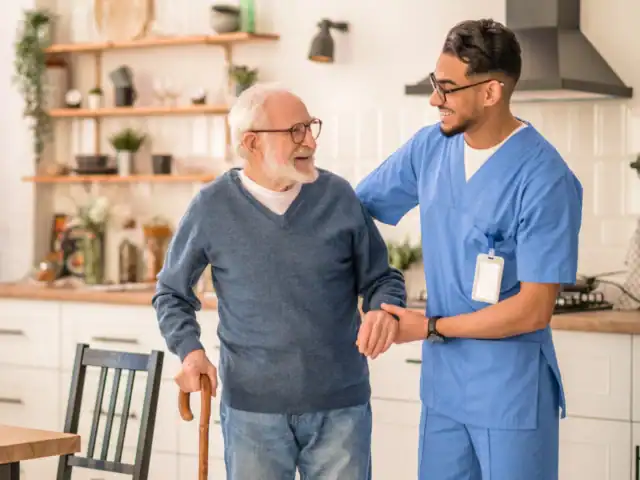
Transfers are one of the most common—and risky—caregiver tasks.
Common Transfers
- Bed to standing
- Chair to standing
- Toilet transfers
- Car entry and exit
Key Safety Principles
- Encourage slow, controlled movement
- Use stable surfaces (avoid anything that moves)
- Ensure proper footwear
- Position yourself close—but not pulling
A Simple Transfer Script
Use consistent, calm cues:
“Scoot to the edge. Feet flat. Lean forward. Push through your legs. I’m right here.”
Consistency reduces confusion and helps build confidence.
Bathroom Safety for Caregivers
Bathrooms combine tight spaces and slippery surfaces—making them a top priority for fall prevention for seniors at home.
Common Risks
- Wet floors
- Stepping into/out of tubs
- Low or unstable seating
Practical Upgrades
- Grab bars (shower and toilet)
- Non-slip mats or strips
- Shower seating
- Improved lighting
Priority Order for Upgrades
- Non-slip surfaces
- Grab bars
- Lighting improvements
- Seating support
Focus on what reduces risk fastest.
Nighttime Mobility and Fall Prevention
Nighttime movement is often underestimated—but it’s a common time for falls due to fatigue and low visibility.
Common Challenges
- Drowsiness
- Disorientation
- Poor lighting
Easy Solutions
- Motion-sensor nightlights
- Clear path to the bathroom
- Keep essentials within reach
5-Minute Nighttime Setup Checklist
- Path is clear
- Lights are working
- Water and essentials are bedside
- Shoes or slippers are stable and within reach
A few small adjustments can make a big difference overnight.
Choosing Mobility Aids and Home Modifications
There’s a difference between tools that support movement and changes that improve the environment.
Mobility Aids
- Walkers
- Canes
- Transfer supports
Home Modifications
- Lighting improvements
- Handrails and grab bars
- Flooring adjustments
- Accessibility upgrades
What to Prioritize First
- Lighting
- Handrails and grab bars
- Bathroom safety
- Access solutions (like stairlifts or elevators)
The right combination depends on both the individual and the home layout.
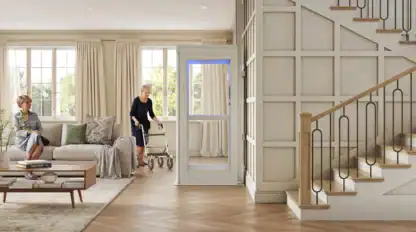
When to Consider Stairlifts or Home Elevators
For multi-level homes, stairs often become the biggest barrier to safe movement.
Consider These Factors
- Frequency of stair use
- Level of caregiver assistance required
- Long-term mobility needs
- Home layout and available space
Stairlift vs. Home Elevator (Quick Comparison)
Stairlift
- Travels along existing staircase
- Ideal for direct stair access
- Typically quicker to install
Home Elevator
- Moves between floors without stairs
- Supports standing, seated, or assisted use
- Designed for long-term accessibility and comfort
Both options support safe mobility at home for seniors—but the right choice depends on your situation.
Questions to Ask During an In-Home Assessment
- What areas of the home pose the highest risk?
- What solutions will have the biggest immediate impact?
- How will needs change over time?
- What options reduce strain for both the user and caregiver?
The right plan supports everyone involved.
FAQs
What are the most common mobility risks at home for seniors?
Stairs, bathrooms, cluttered walkways, poor lighting, and loose rugs are among the most common hazards.
How can caregivers prevent falls at home?
By removing tripping hazards, improving lighting, adding support features like grab bars, and maintaining clear pathways.
What are the safest ways to help with transfers?
Use stable surfaces, encourage slow movement, provide clear verbal cues, and avoid pulling or rushing.
How do caregivers make stairs safer?
Install handrails on both sides, improve lighting, add non-slip surfaces, and reduce unnecessary stair use.
When should a caregiver consider a stairlift or home elevator?
When stairs become physically demanding, unsafe, or limit access to parts of the home.
Final Thoughts
Being a caregiver means balancing safety with independence—and that’s not always easy.
But with the right environment, tools, and approach, you can reduce risk while supporting confidence and dignity in everyday movement.
Start small. Clear a path. Add light. Create stability where it matters most.
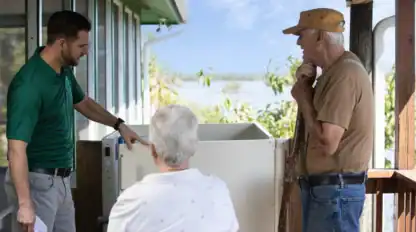
Because safe mobility at home isn’t about restriction—it’s about making sure every step feels a little more secure. For more information about home accessibility tools, contact a local Harmar dealer for a free consultation!